












01
Jun
Jun
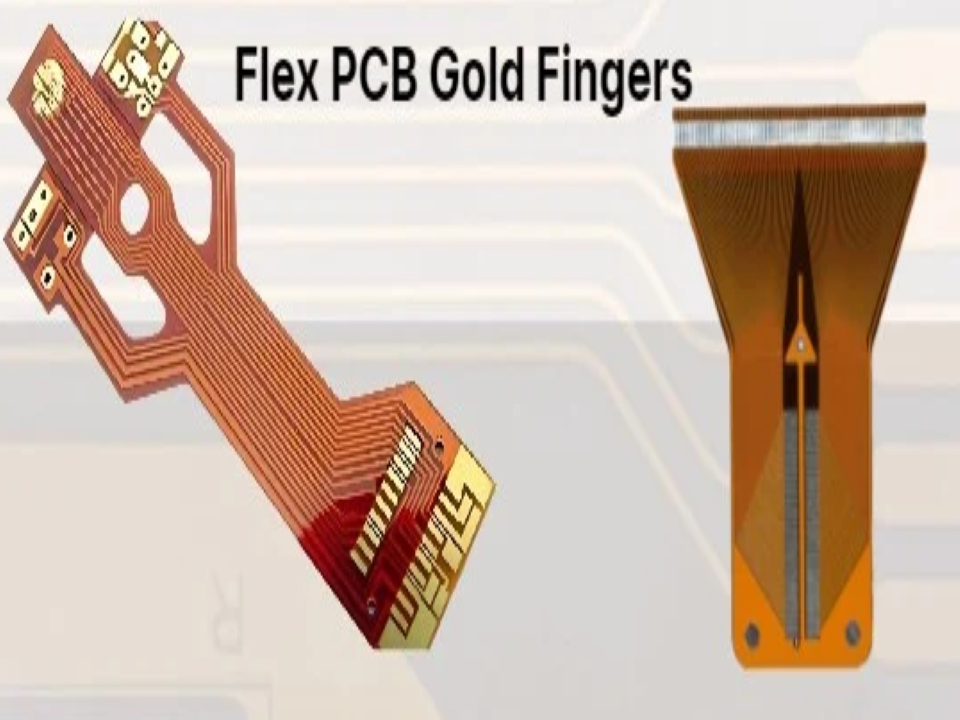
Surface finish on a flex PCB is not a cosmetic detail; it controls oxidation, solderability, contact reliability, and cost. This article compares ENIG, OSP, immersion silver, immersion tin, hard gold, and ENEPIG for real flex PCB use.

Surface finish on a flex PCB is not a cosmetic detail; it controls oxidation, solderability, contact reliability, and cost. This article compares ENIG, OSP, immersion silver, immersion tin, hard gold, and ENEPIG for real flex PCB use.
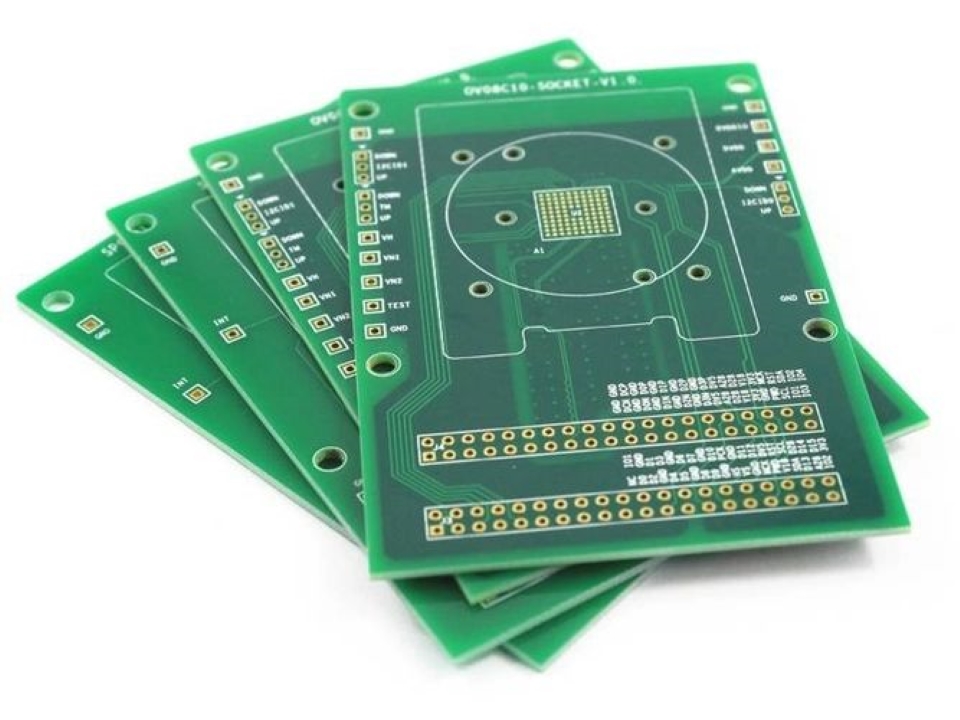
50-ohm impedance is not a magic trace width; it is a result of copper width, dielectric height, Dk, copper thickness, solder mask, and reference planes. This guide explains how PCB trace impedance calculation works before your RF or high-speed design reaches fabrication.
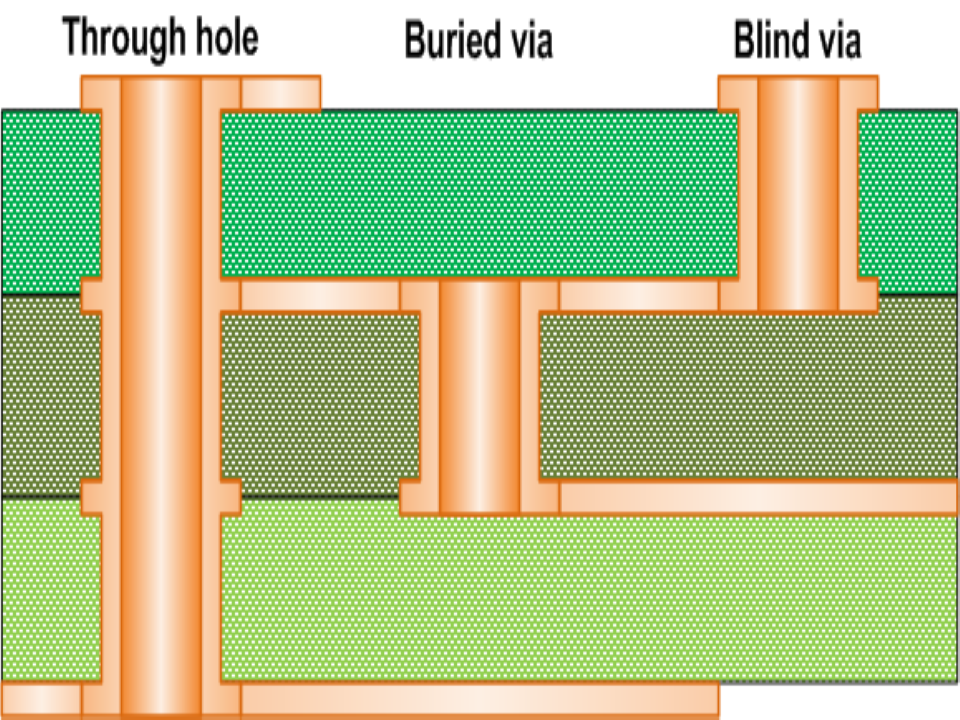
Blind, buried, and through vias do not cost the same because they do not stress the factory in the same way. This guide explains where via cost really comes from in HDI PCB via design, and how buyers can cut cost without damaging reliability.
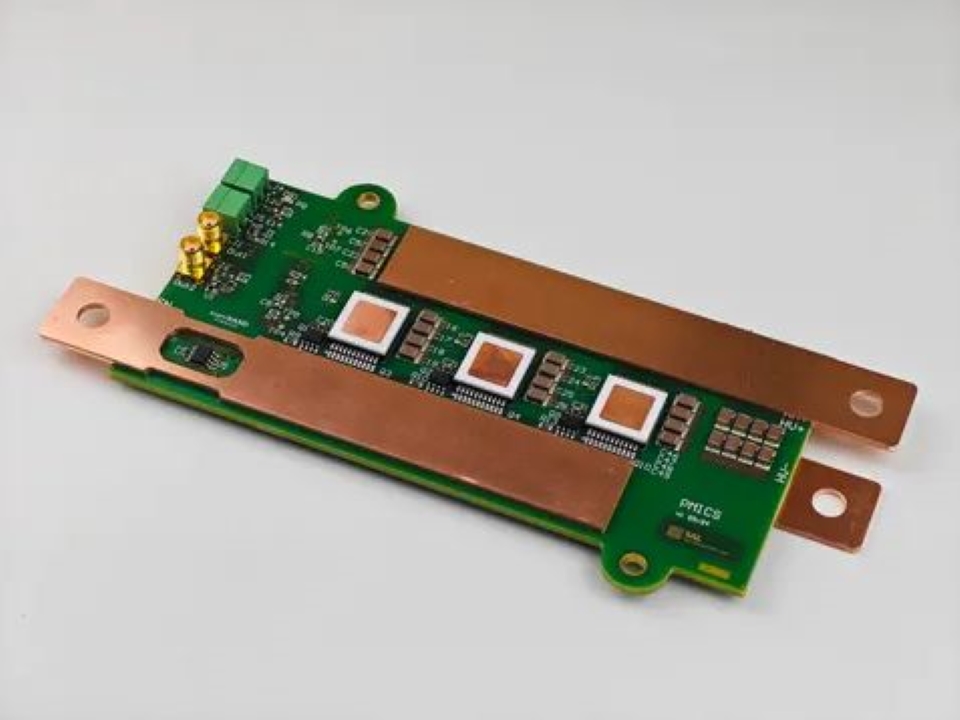
Rogers PCB prototyping gets expensive when material, impedance, and lead time collide. This article explains where the money really goes, why quick-turn RF boards aren’t simple, and how buyers can avoid bad prototype quotes.
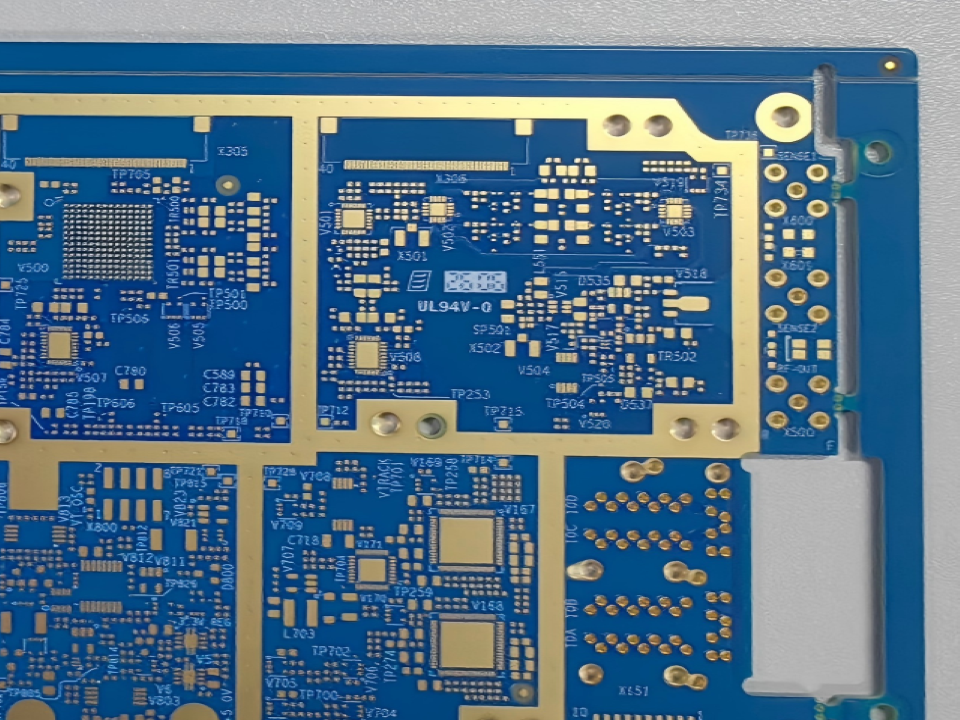
HDI PCB design isn’t just about shrinking a board; it’s about controlling vias, stackup, materials, yield, and cost before layout becomes a factory problem. This article explains the real requirements, benefits, and complexities behind high density interconnect PCB design.
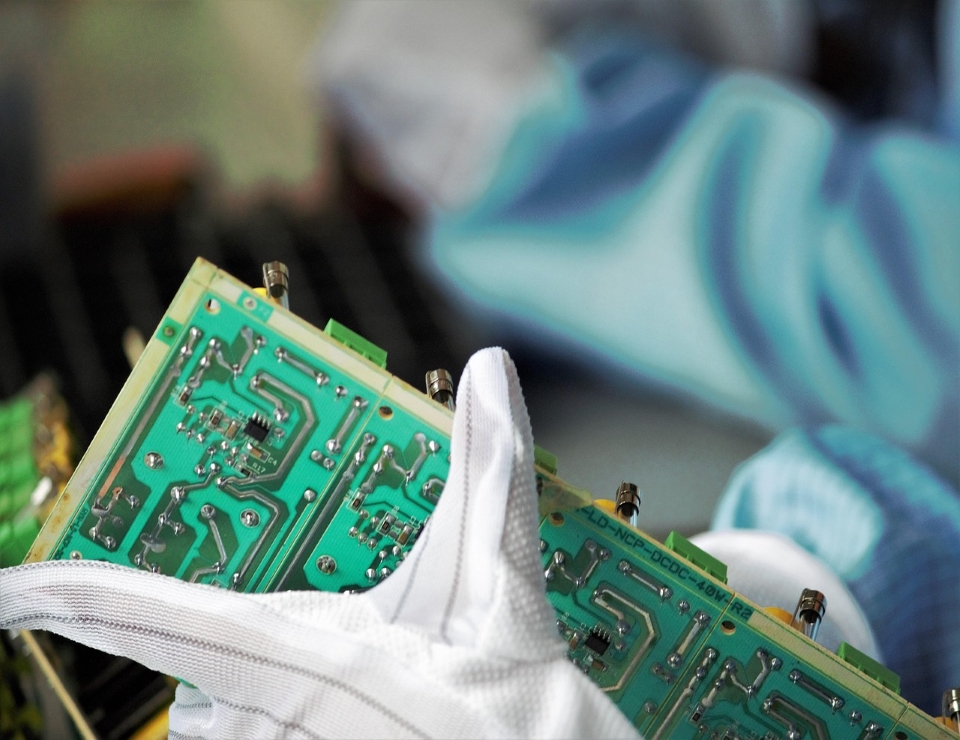
Standard PCBA is cheaper, calmer, and better for controlled production planning. Express PCBA is faster, but the real price is hidden in sourcing pressure, engineering risk, and factory priority.
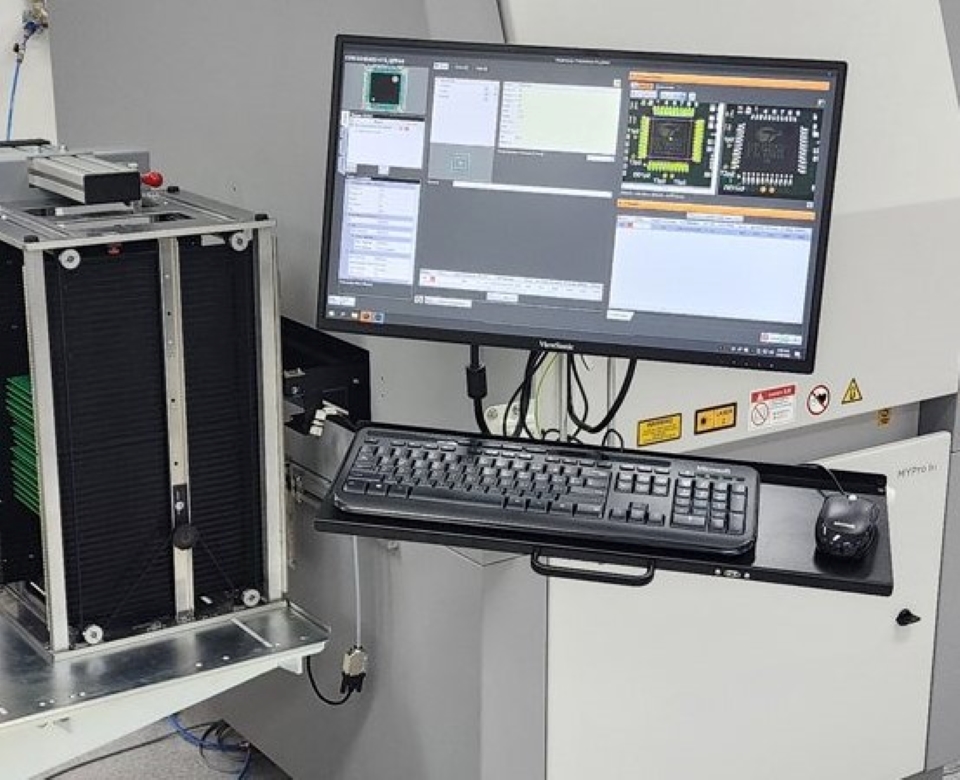
Standard PCB testing is not “bad”; it is simply limited. This guide shows when AOI is enough, when X-ray becomes non-negotiable, and when ICT is worth the fixture cost.
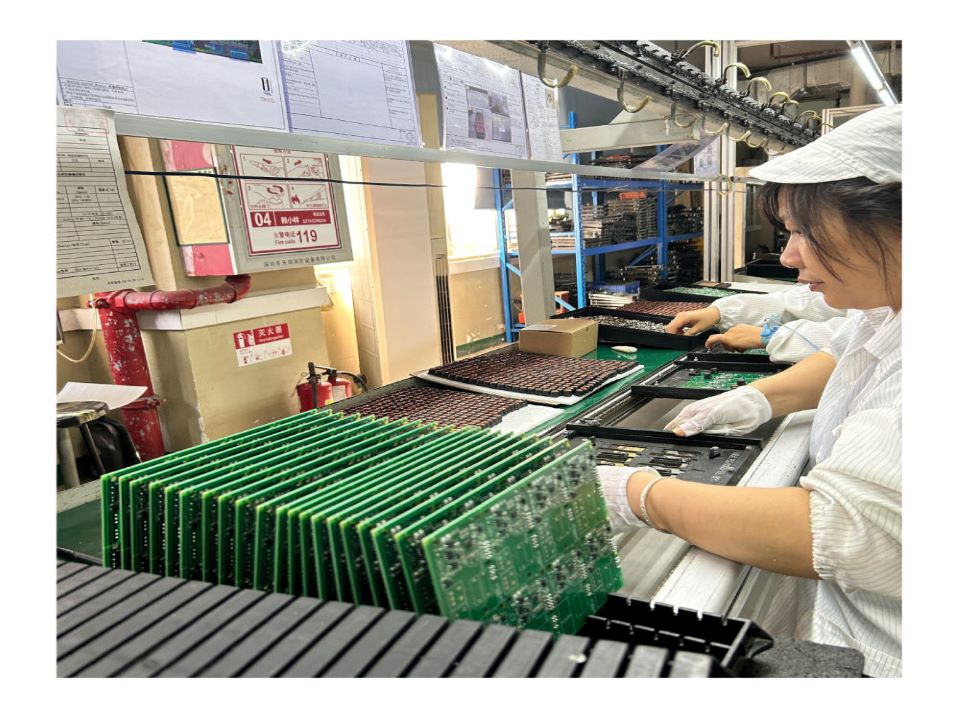
Aluminum PCBs do not fail wetting because “aluminum is difficult”; they fail because process windows are copied from FR-4 and then blamed on the board. This guide breaks down the real fixes: surface finish control, flux activity, thermal profiling, paste storage, stencil design, and inspection feedback loops.
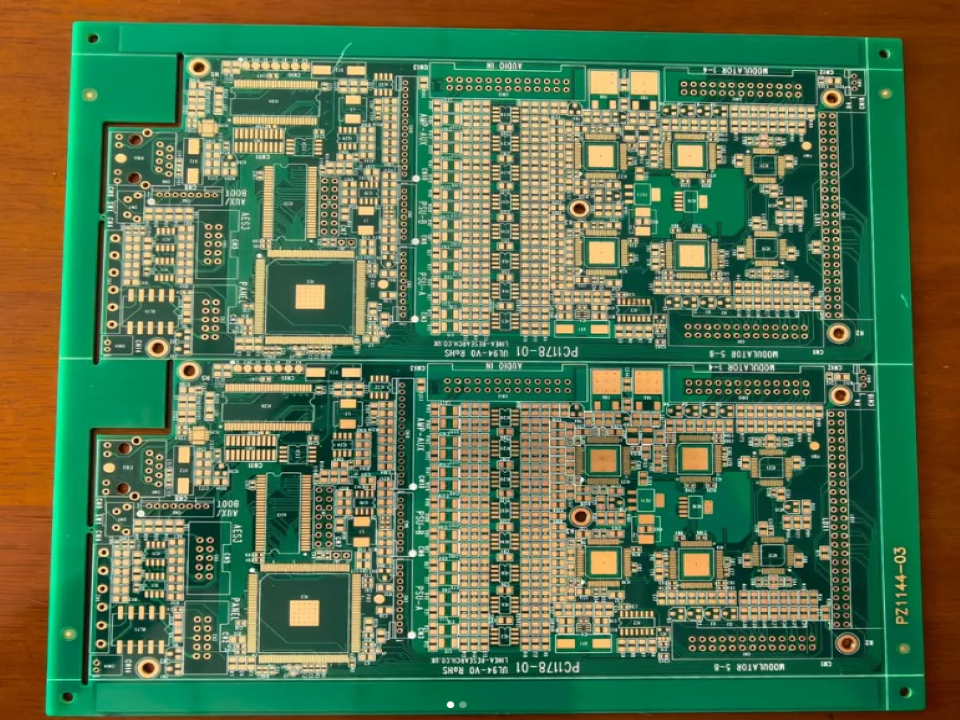
Military aerospace PCB specifications explained: MIL-PRF, IPC Class 3, documentation, testing, and qualification path.
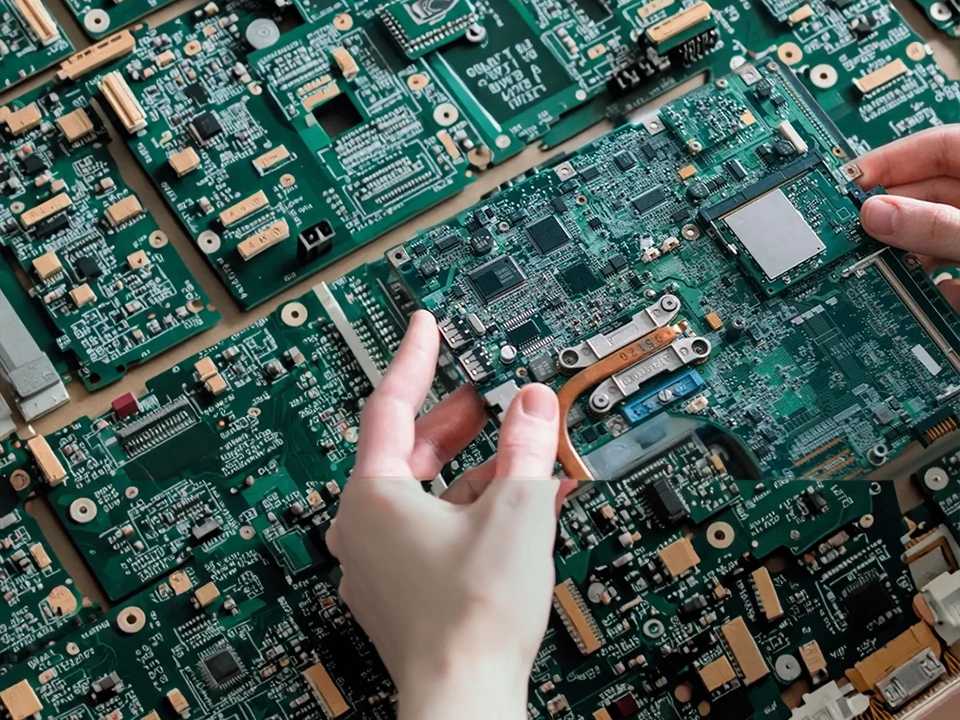
Flex PCB vs rigid PCB rates is not a simple material-cost disagreement; it is a system-cost fight. This evaluation breaks down where flex PCB expense in fact originates from, when supports make sense, and when rigid boards silently win.
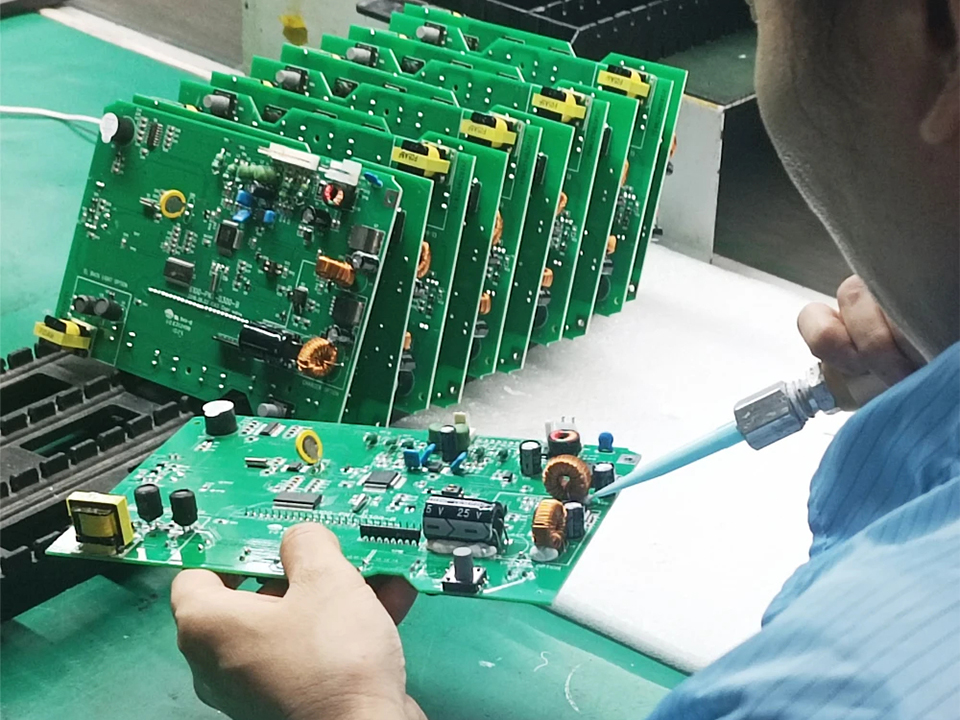
PCB pricing does not fall smoothly as order quantity rises; it breaks in actions when configuration, panel use, buying utilize, and yield threat adjustment. This article explains how quantity influences PCB manufacturing cost, where buyers pay too much, and what manufacturing facilities hardly ever say simply.
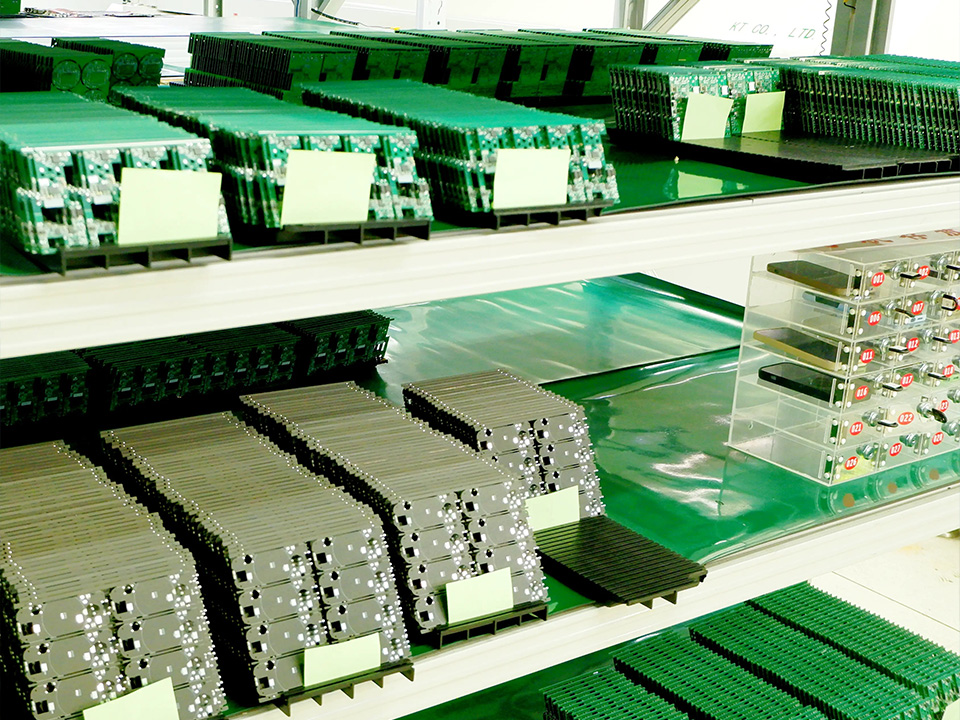
PCB buyers do not buy IPC Class 3 because it sounds premium. They require it only when failure consequences, regulatory exposure, and uptime demands justify tighter assurance than Class 2.