















19
Jan
Jan
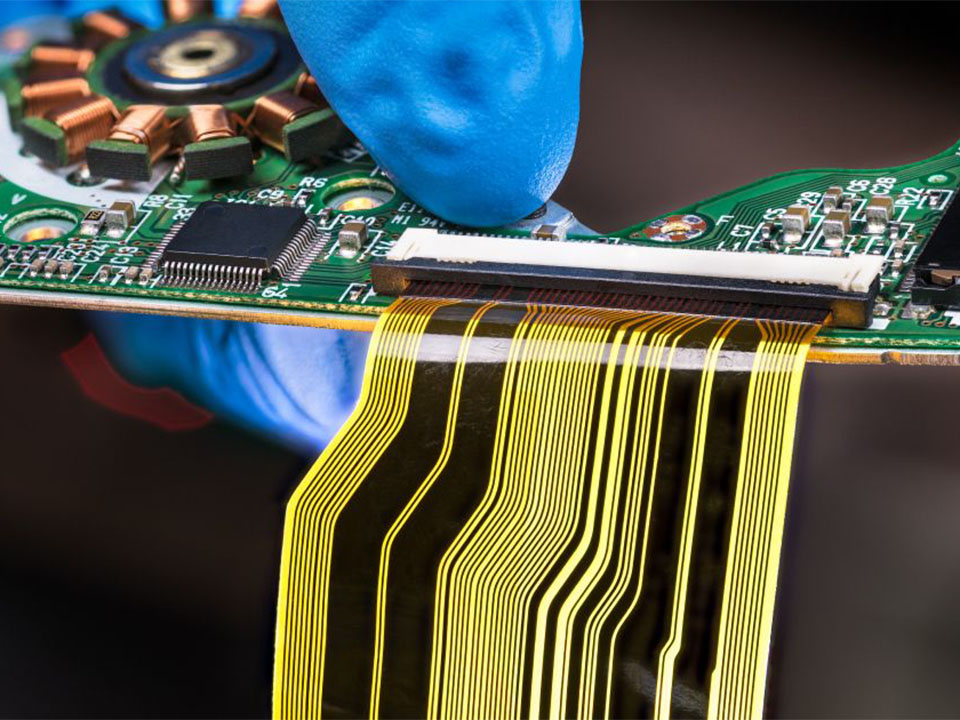
Rigid-flex costs more upfront, but it can cut connectors, shrink Z-height, speed assembly, and reduce intermittent failures in real-world builds.

Rigid-flex costs more upfront, but it can cut connectors, shrink Z-height, speed assembly, and reduce intermittent failures in real-world builds.
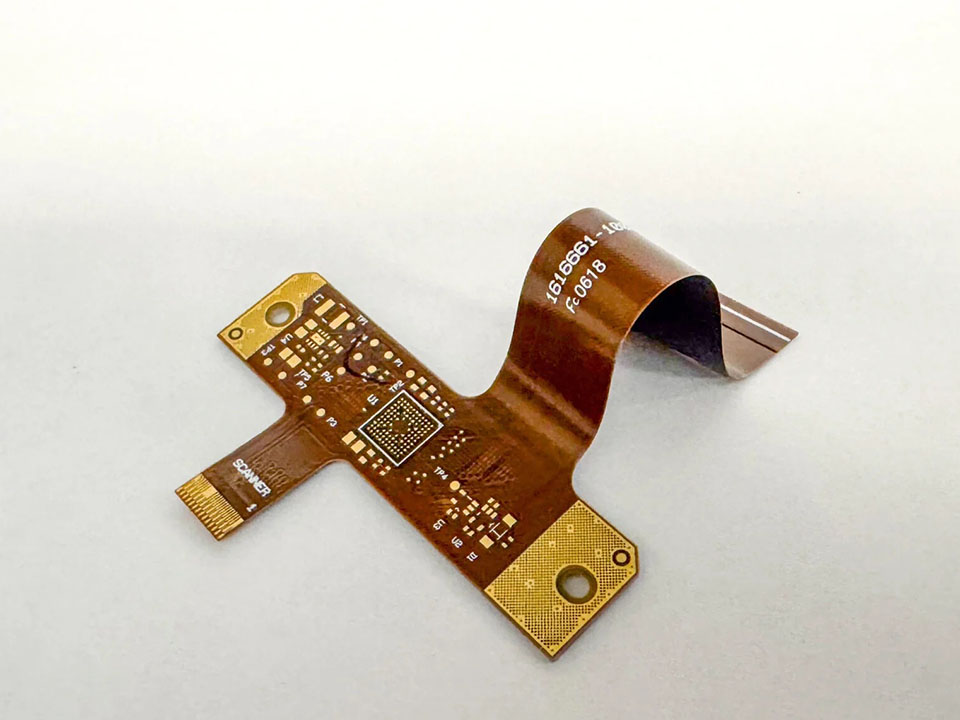
Design flexible circuits that survive bending: pick the right bend radius, thin the stack, avoid vias in bend zones, and add strain relief for long life.
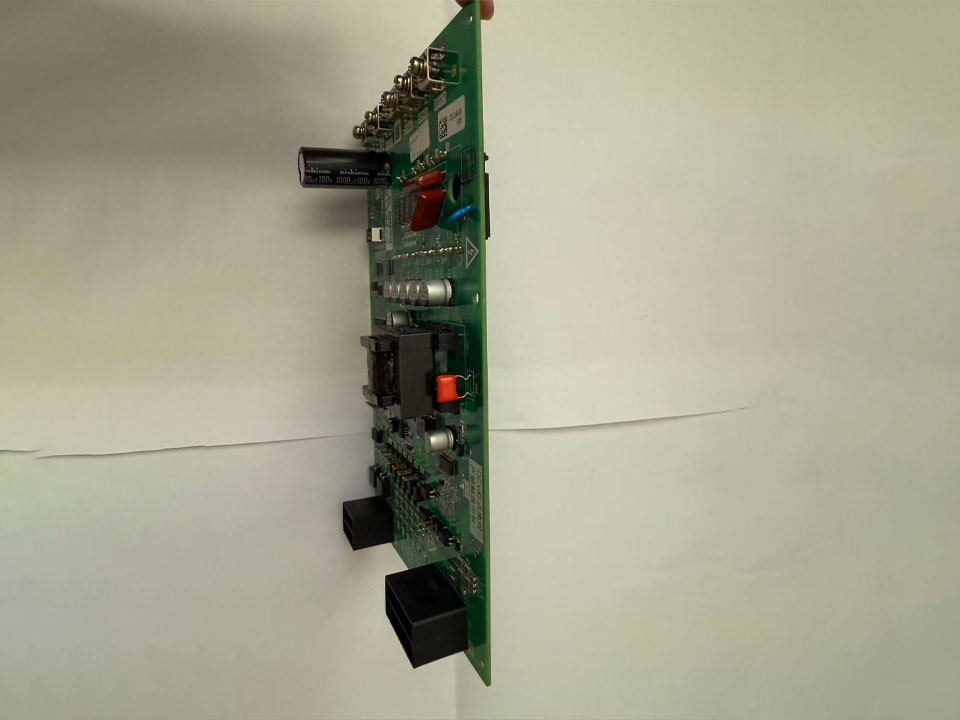
Learn when flex PCBs beat rigid boards with stiffeners. Compare connectors, assembly touch time, yield, and rework with real build scenarios.
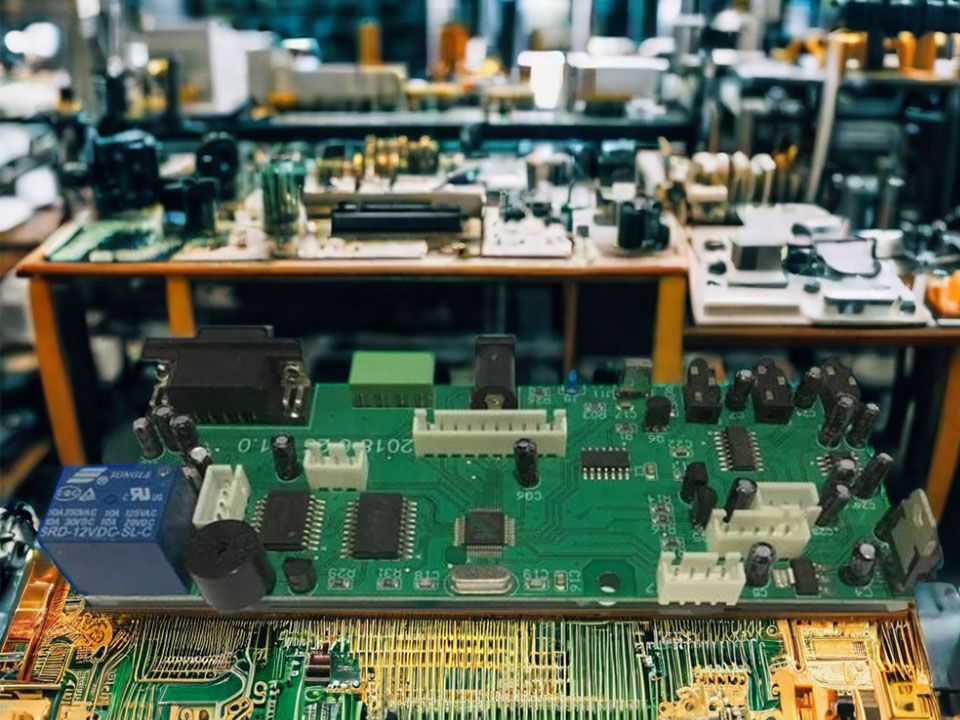
Negotiate better pricing for 500–1000 PCB assembly runs by targeting real cost drivers: breakdowns, DFM, NRE, tiers, MOQs, terms, and QC.
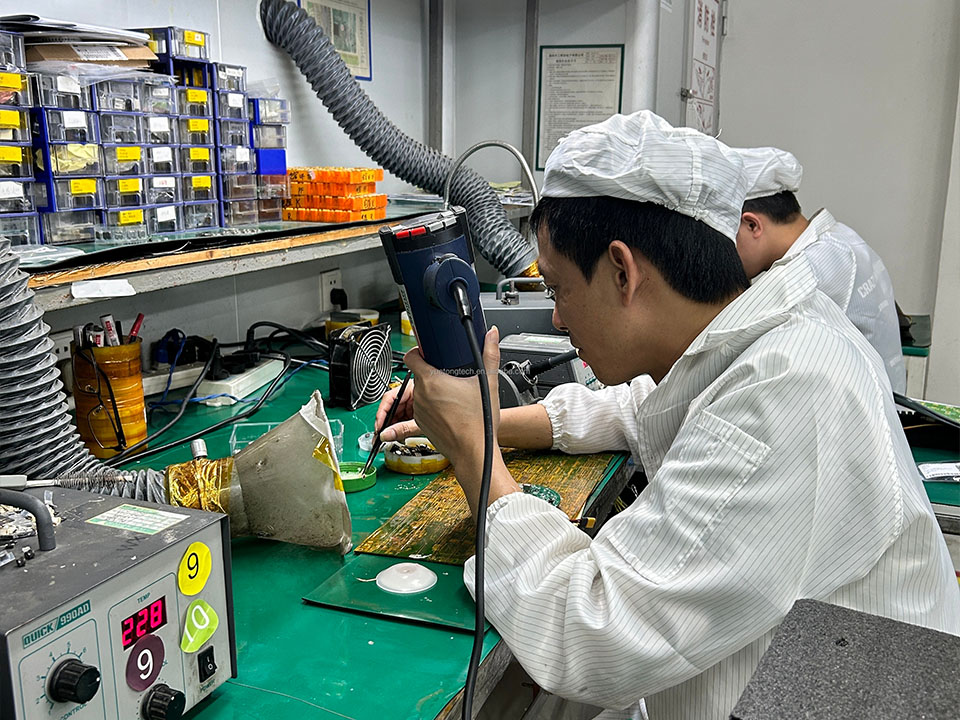
Cut BOM cost by choosing assembly-friendly parts: fewer unique line items, no over-spec, standard packages, alternates, and supply-smart sourcing for stable SMT builds.
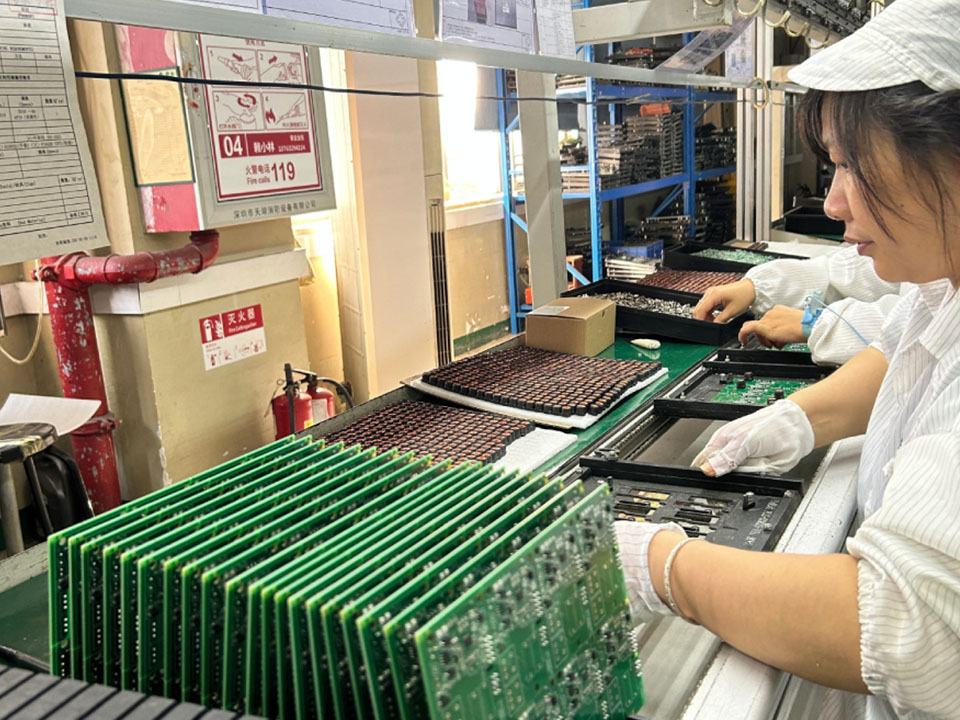
Feeder loading fees sting because setup work is fixed. Learn what drives SMT changeovers and the simplest ways to cut cost on PCB assembly runs in minutes now.
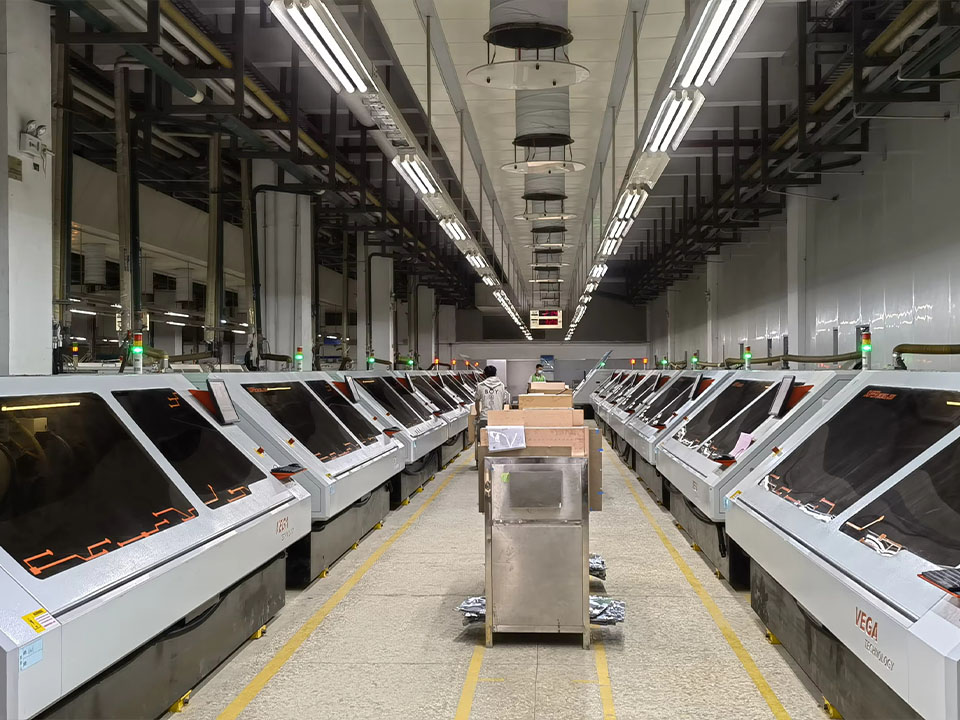
Component sourcing can raise your assembly cost through risk, rework, and delays. Learn when turnkey, consignment, or hybrid sourcing makes sense for PCBA builds.
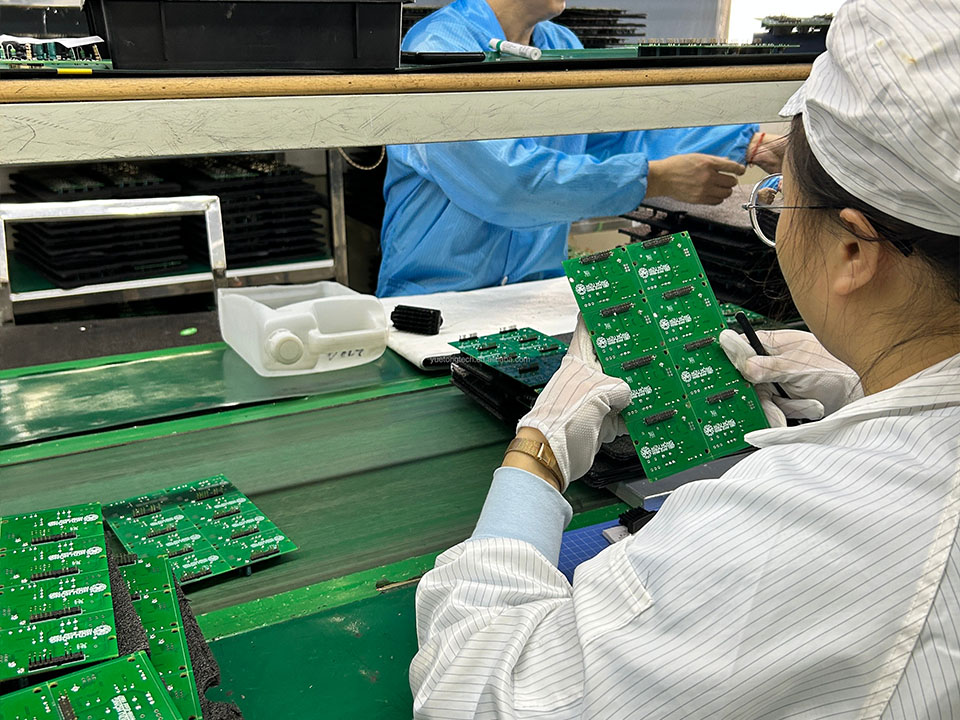
Prototype delays start with avoidable design mistakes: weak DFM/DFA, unclear stack-up, risky BOMs, and messy files. Fix them early to ramp faster.
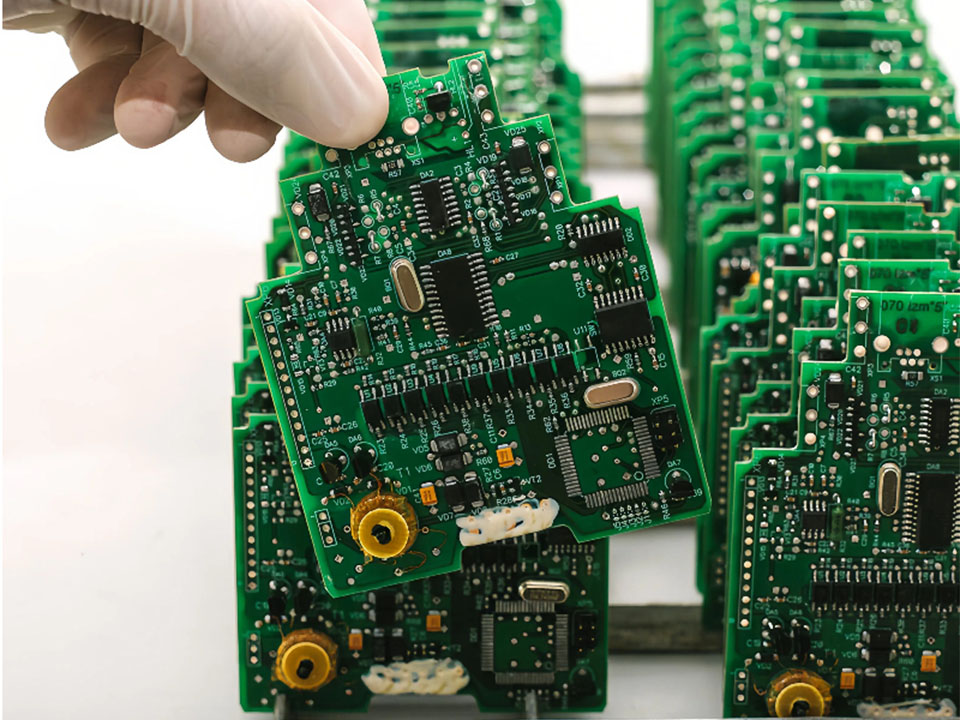
Wondering if you should conformal coat prototypes before environmental tests? Use a quick framework on risk, rework, cleanliness, and field use—no fluff today.
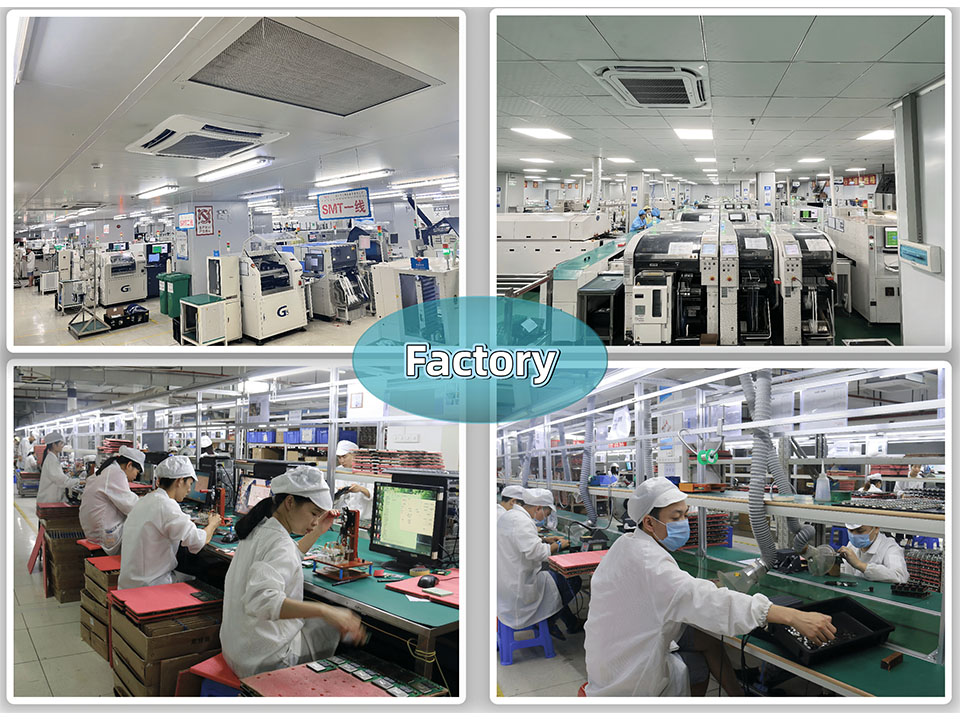
Learn why PCB costs drop from 10 to 1,000 units: setup, materials, layers, panel yield, QA, and DFM moves that keep builds stable and on time.
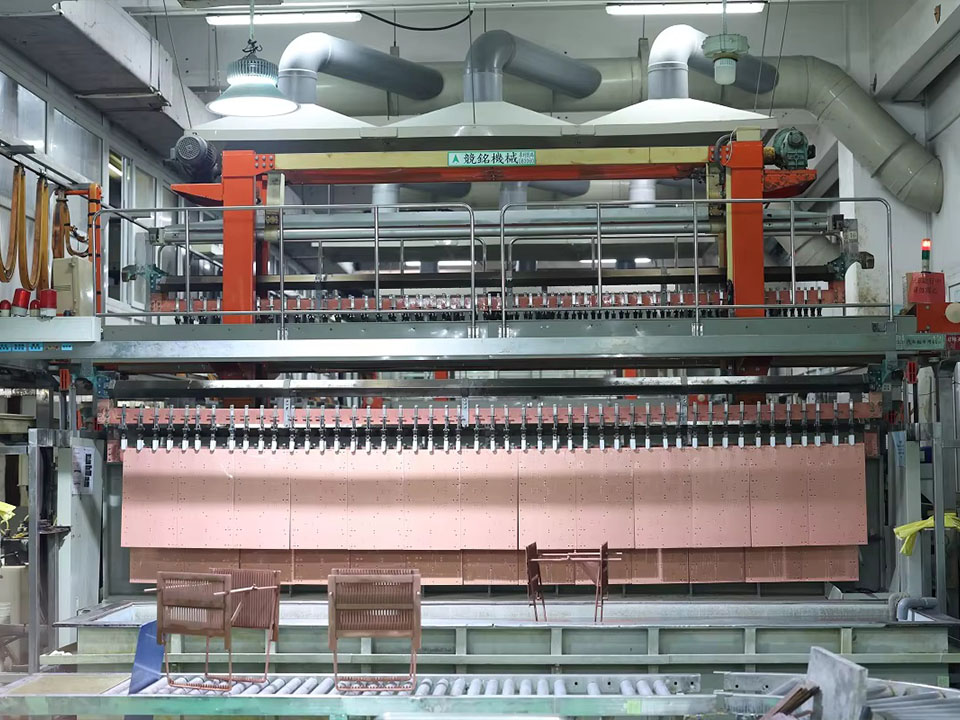
Prototype to production can take weeks or months. Learn real PCB timelines, what slows you down, and how to avoid DFM, test, and supply chain traps.
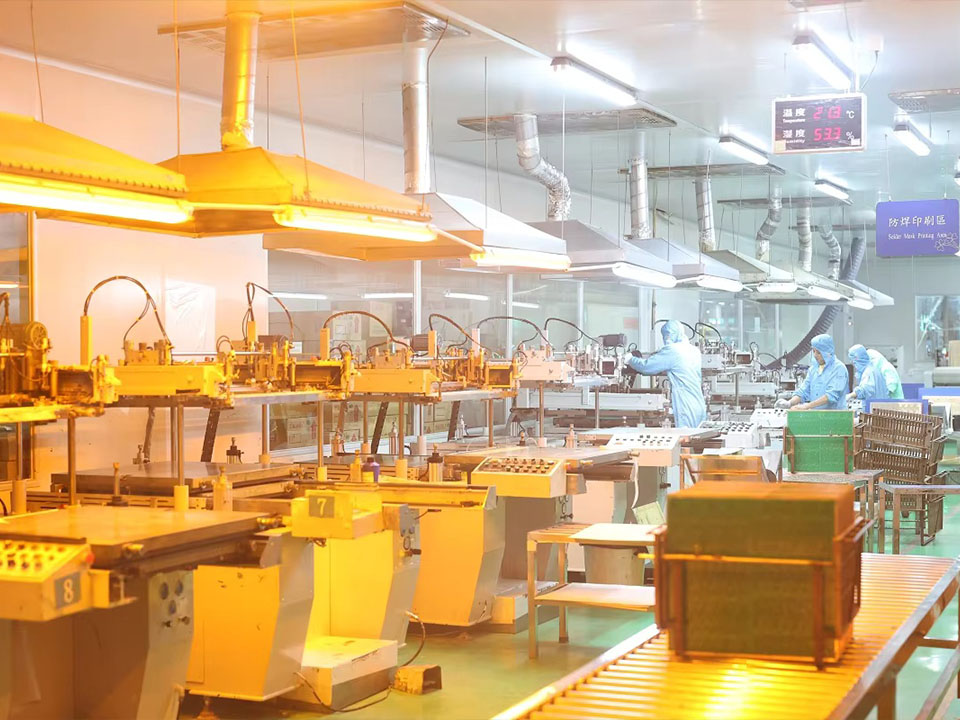
Cheapest functional prototypes come from a clear ladder: test demand with quick mocks, then clickflows, no-code, 3D prints, and DFM-ready PCBs for real market trials.