















18
Jul
Jul
BOM Optimization is not just about choosing cheaper parts. It is about finding the right balance between component cost, availability, reliability, and long-term production stability.

BOM Optimization is not just about choosing cheaper parts. It is about finding the right balance between component cost, availability, reliability, and long-term production stability.
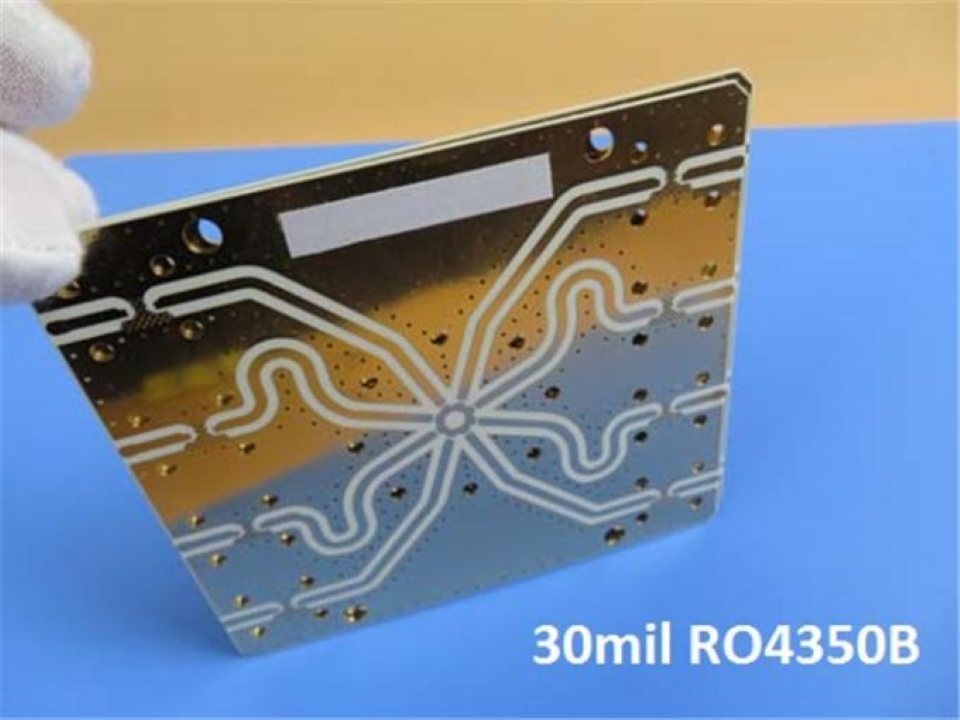
RO5880 has the lowest dielectric loss, but it isn’t automatically the smartest production choice. This guide compares RO4003C, RO4350B, and RO5880 from both an RF engineer’s and a PCB fabricator’s point of view.
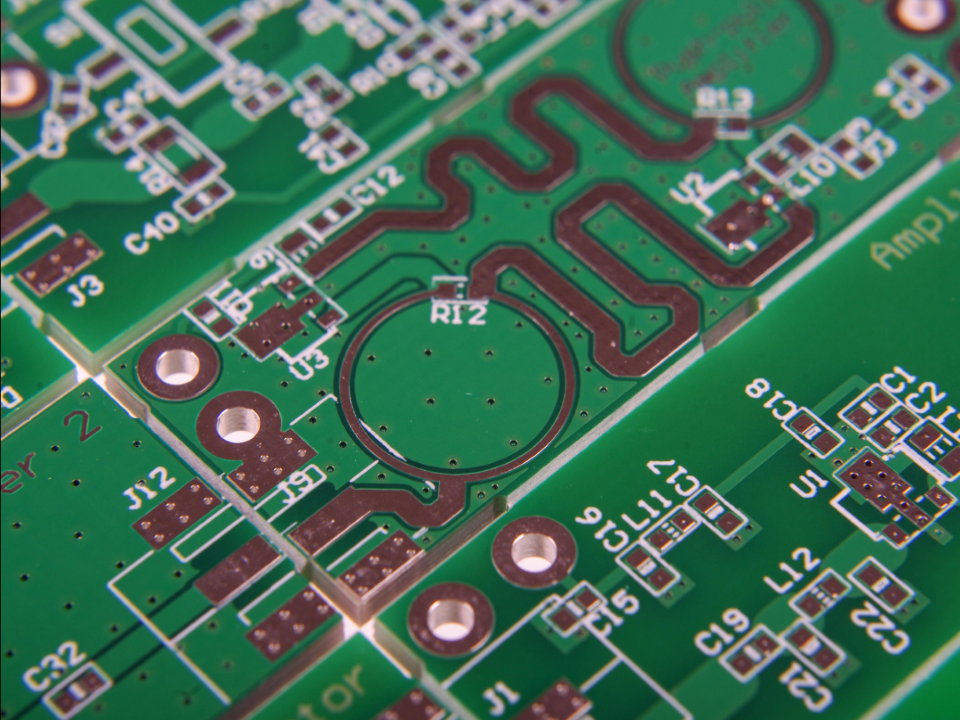
Transmission line loss in RF PCBs is not one problem; it is a stack of small design, material, and manufacturing decisions that quietly eat signal power. This article explains how to reduce RF PCB transmission line loss with practical RF PCB Design rules, not textbook decoration.
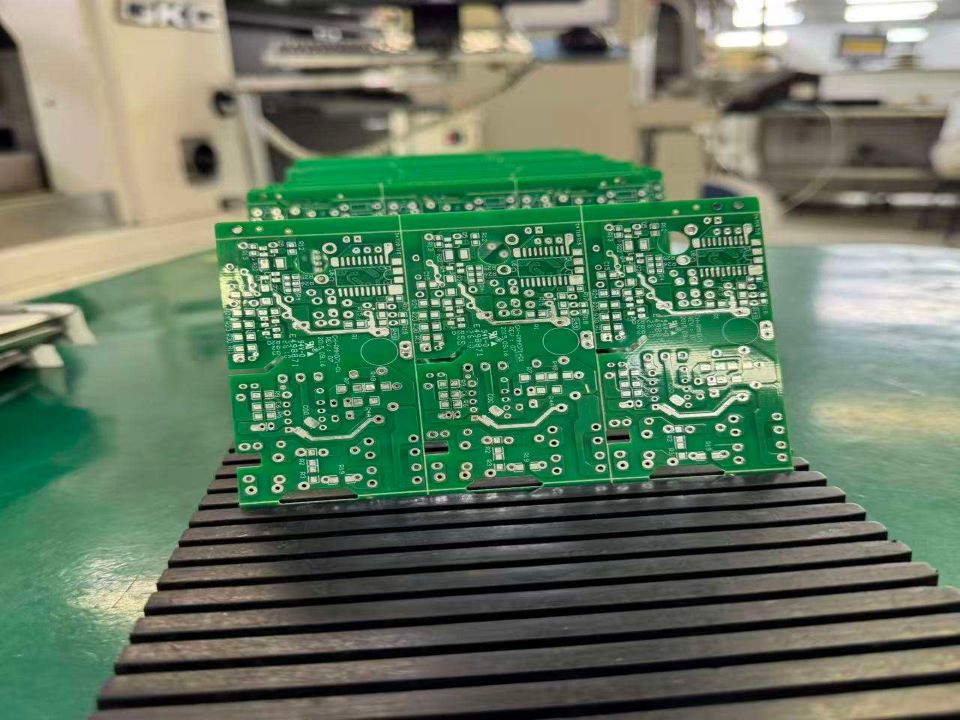
BGA heat does not disappear because the schematic passed review. This guide explains how PCB heatsink interface design, thermal vias, copper spreading, and TIM choices decide whether a BGA package survives real operating conditions.
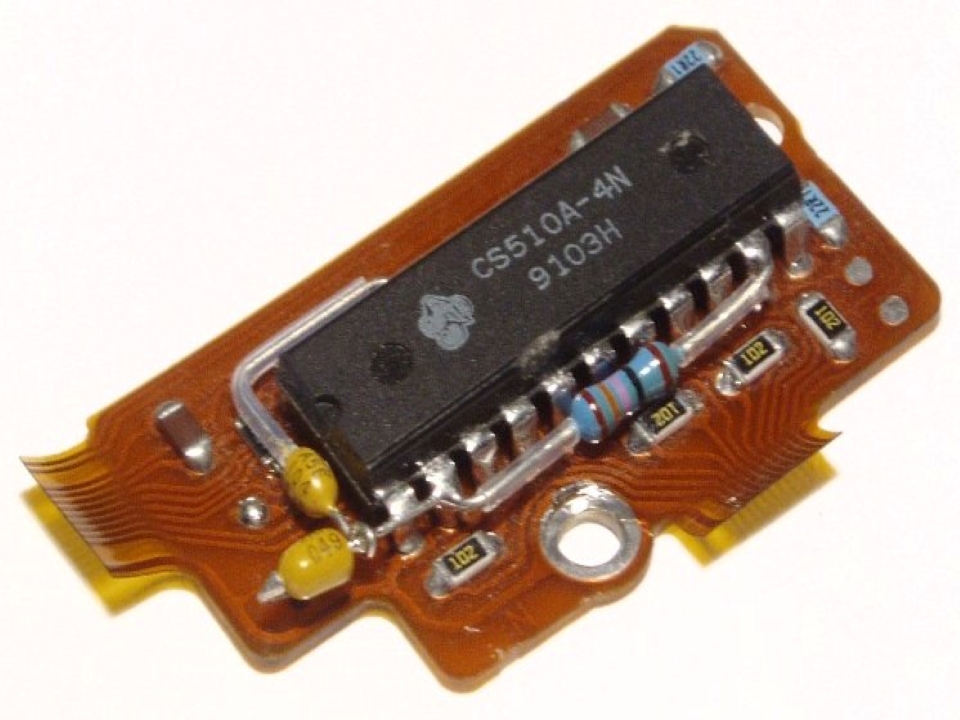
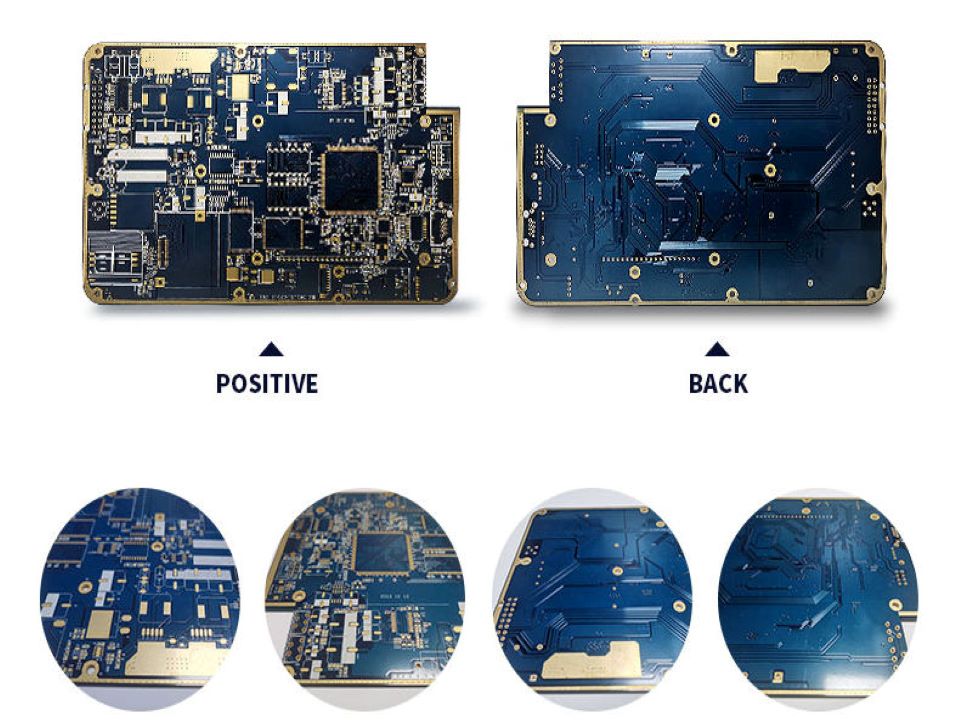
A PCB refers to a bare circuit board without components, while a PCBA refers to a fully functional assembly with components soldered onto it; the two terms have fundamental differences in definition.This article explains the differences in terms of costs, pricing, procurement risks, and buyer pain points.
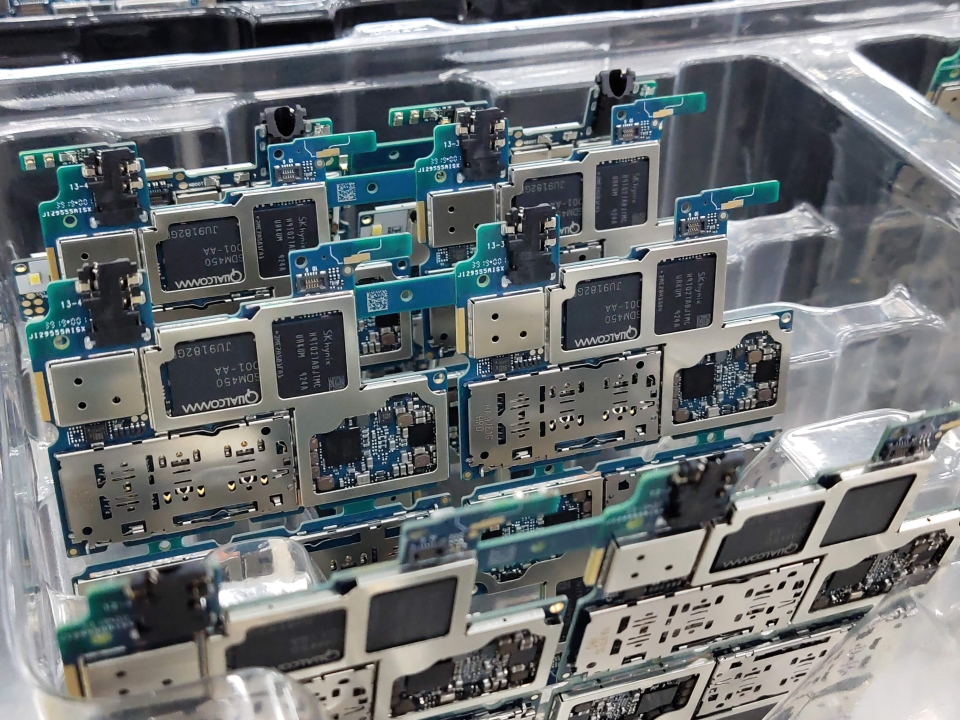
This post explains what turnkey, partial turnkey, consigned, and kitted PCB assembly really include. It helps buyers avoid BOM confusion, sourcing delays, and vague supplier responsibility before production starts.
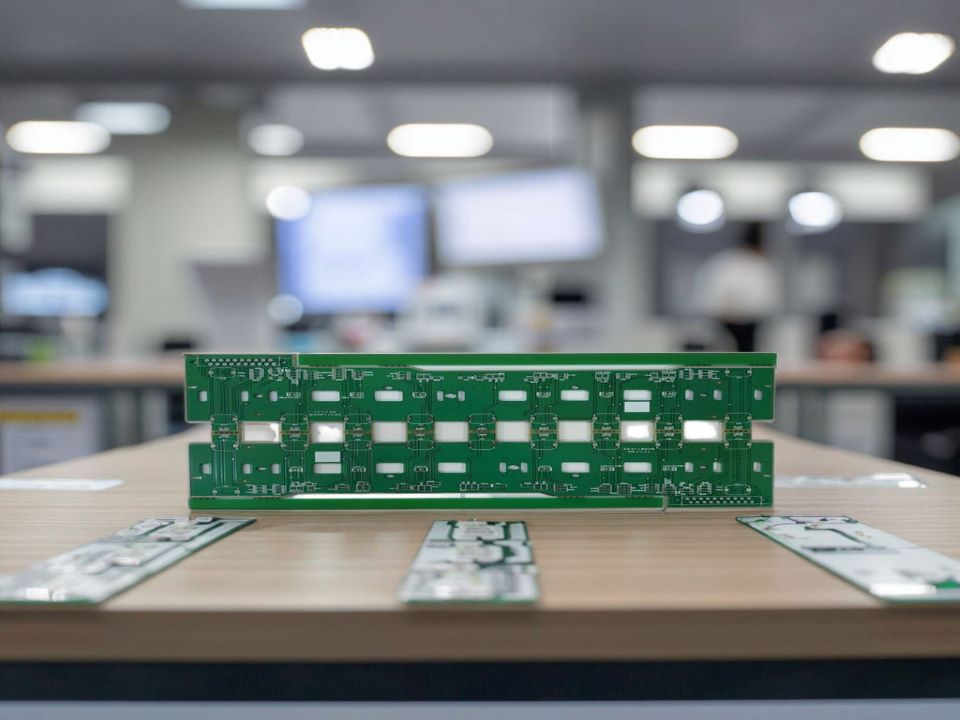
Thick copper does not automatically solve PCB heat problems; it can also expose weak via design, poor plating assumptions, and bad stack-up choices. This article explains how to optimize Thermal Vias for real heat flow, manufacturability, and cost control.
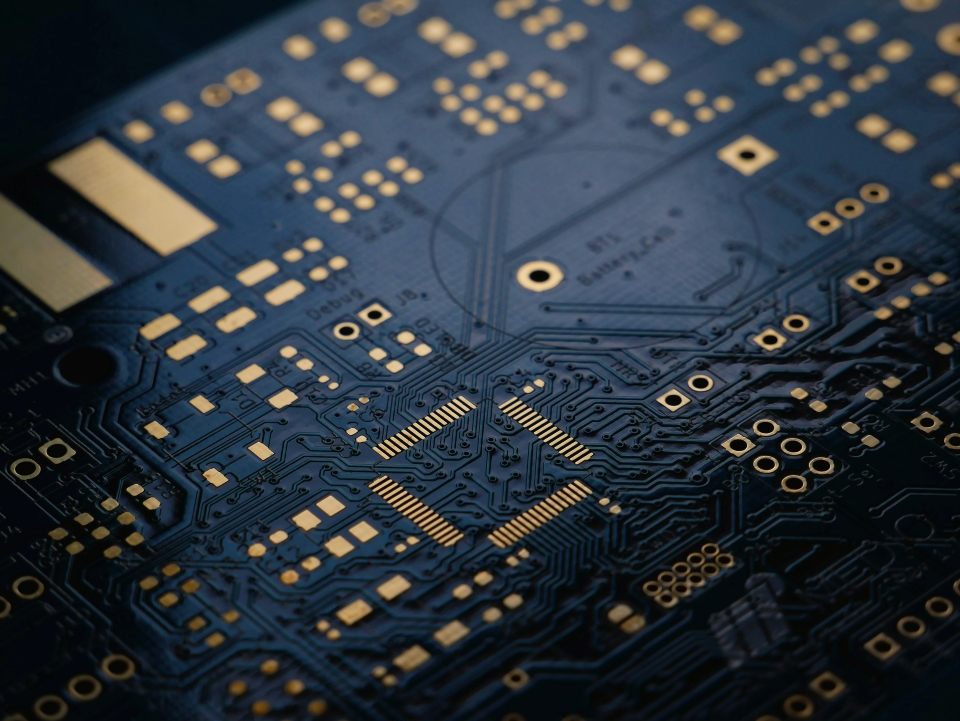
The purpose of production-grade PCB specs is to make sure procedure repeatability, controllability, on-site dependability, and mature industrial duty.
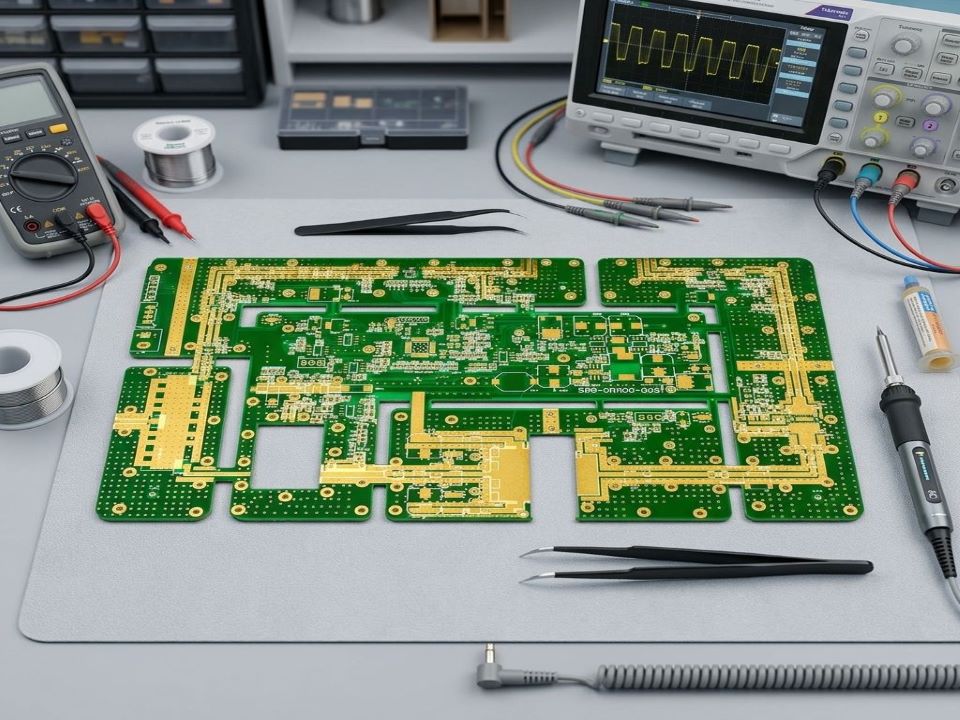
Prototype assembly is not just a production choice; it is a risk-management decision. This article breaks down the hard trade-offs between in-house PCB assembly and outsourced PCB assembly for engineering teams, buyers, and founders.
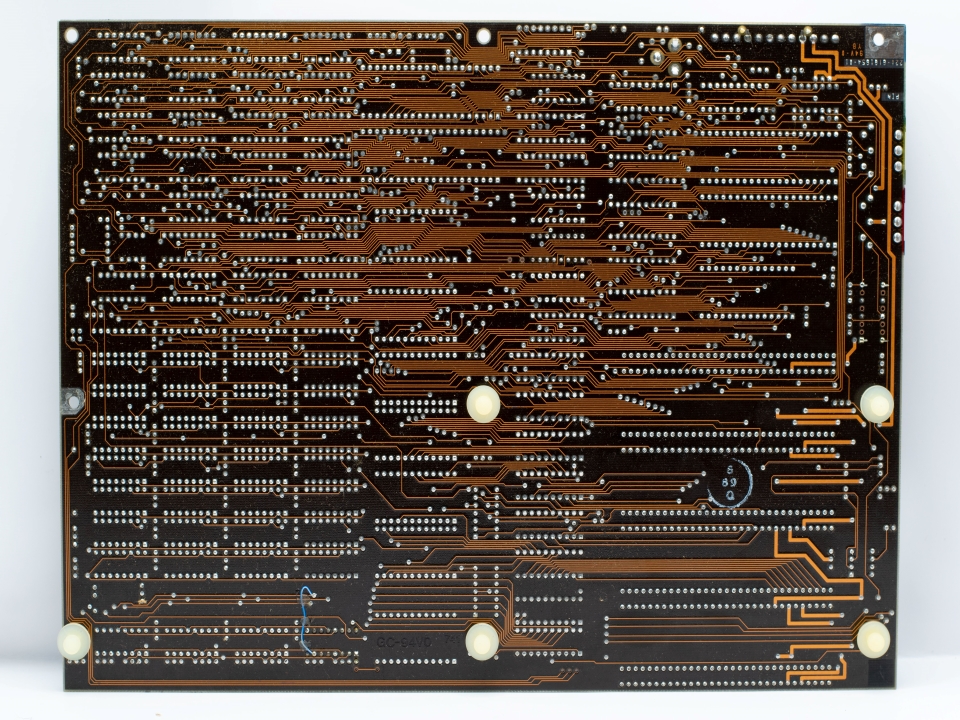
Copper weight can improve MCPCB thermal behavior, but it is not a magic fix for poor stackup design. This article explains when copper tubing should be thickened and when it should not, as well as what buyers should do to prepare before making a purchase.
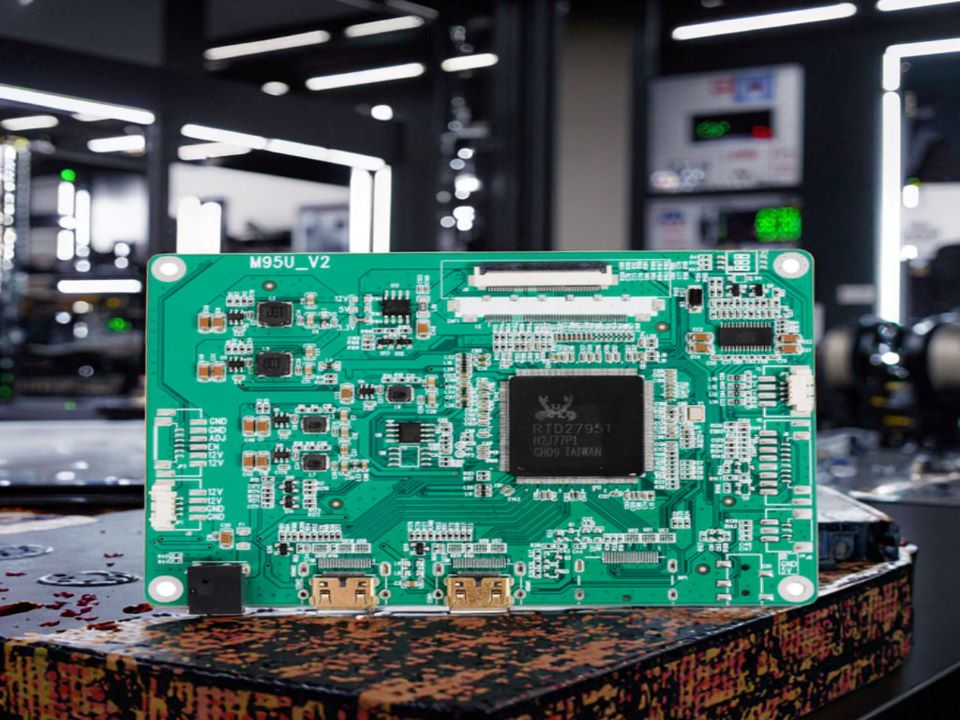
This article compares the real cost difference between 1-layer and 3-layer flex PCB designs. It explains why the cheaper stackup is not always the cheaper project.
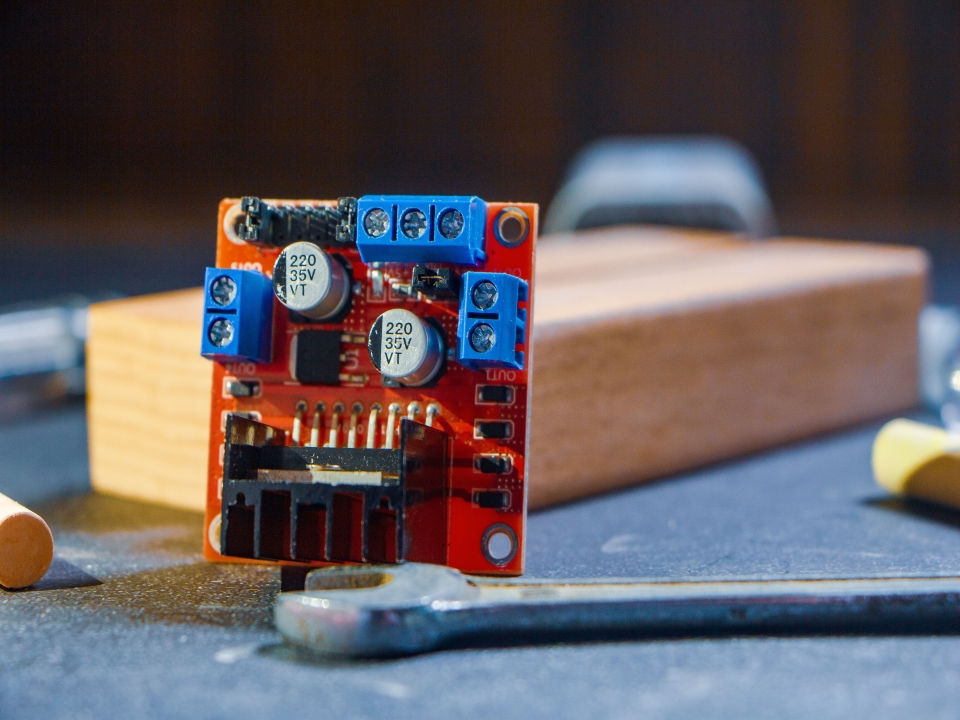
ICT and functional testing are not competing slogans. They catch different failures, cost money in different places, and fit different PCBA production risks.