


Buyer Guides
PCB vs PCBA 101
Jun
I’ve watched this happen more times than I can count.
A buyer sends Gerber files and asks, “Can you quote the PCB?” Nothing unusual. Then the BOM arrives. Then the pick-and-place file. Then someone quietly adds, “Please also assemble the components.”
And just like that, the job has changed.
It’s no longer a bare PCB quote. It’s PCBA. Different risk. Different schedule. Different responsibility. Now the price depends not only on laminate, copper, drilling, and surface finish, but also on IC availability, capacitor brands, connector packaging, SMT setup, stencil cost, AOI coverage, X-ray needs, and whether one tiny diode mark was drawn clearly enough.
That’s the messy part.
PCB and PCBA sound close. They’re not.
Although both involve purchasing decisions, they are completely different. Blindly equating them is a foolish decision that will lead to regret in no time.
PCB vs PCBA: The Short Answer
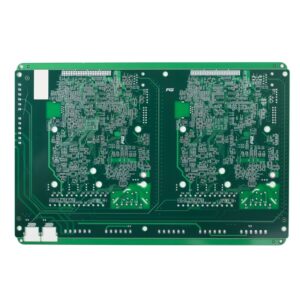
A PCB is the bare printed circuit board. No components mounted. Just the circuit carrier.
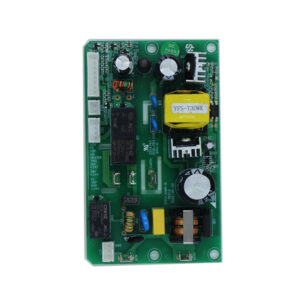
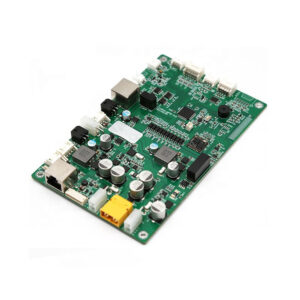
A PCBA is the assembled PCB after components are placed, soldered, inspected, and sometimes tested.
Simple enough.
But pricing? Not simple.
A bare PCB quote is mostly about stack-up, copper thickness, drilling, plating, solder mask, material, surface finish, line width, spacing, routing, and yield. PCBA adds the whole second layer of trouble: BOM sourcing, SMT setup, stencil, placement program, solder paste control, reflow profile, AOI, X-ray, hand soldering, cleaning, ESD packing, and test responsibility.
Here’s the part buyers sometimes miss: the definition isn’t the problem.
Risk is.
From my experience, most buyers know that PCB means bare board and PCBA means assembled board. What they don’t always see is how much responsibility moves onto the supplier once components are involved.
PCB Is the Carrier. PCBA Is the Working Unit.
In practice, the procurement process often gets stuck at this stage, and the real information is concealed.
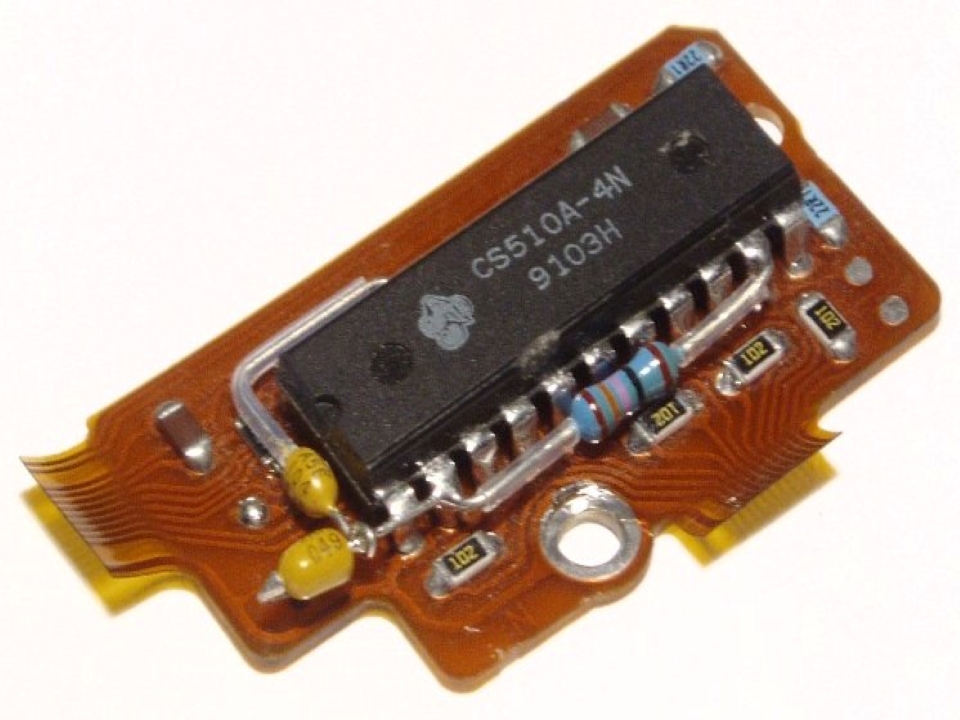
A PCB can usually be quoted from Gerber files, stack-up notes, material, copper weight, surface finish, thickness, quantity, hole size, and minimum trace/space. If the project is still early, something like a custom double-sided prototype PCB panel may be enough. You’re checking dimensions. Hole alignment. Enclosure fit. Maybe basic electrical behavior.
Fine.
PCBA needs more than that.
BOM. CPL. Assembly drawing. Polarity notes. Component alternatives. Test instructions. Packaging standards. Sometimes firmware. Sometimes functional load. Sometimes special handling for LEDs, RF modules, sensors, or connectors that hate being touched twice.
And if the BOM says “same or equivalent” without approved substitutes? I already know what’s coming.
Emails. Delays. Negotiation.
A tiny BOM note can become a big sourcing argument. Happens all the time.
Why Flex PCB Cost Makes This Question More Serious
The answer lies in fault tolerance.
A rigid PCB already has plenty of cost drivers: layer count, Tg rating, copper weight, impedance control, blind vias, ENIG, BGA pads, hole tolerance, and all that normal factory headache. But flex adds another set of problems. Polyimide. Coverlay. Adhesive. Bend radius. Stiffener bonding. Gold contact areas. Handling yield. Mechanical use.
The process window gets tighter.
One wrong assumption about bending can kill the final product, even if the electrical design looks beautiful on screen.
So when someone asks about Flex PCB Cost, I don’t only look at size and quantity. I want to know how the part works in the real product.
Does it bend once during assembly? Does it flex every day? Is it replacing a wire harness? Does it connect two rigid parts? Does it need gold fingers? Does a connector area need FR-4 stiffener support?
A custom flexible circuit PCB with gold pads is not priced like a normal rigid board. Coverlay openings, pad finish, stiffener alignment, bend reliability, and handling yield all affect the cost.
Here’s my bias, and I’ll say it directly: comparing Flex PCB vs rigid PCB only by unit price is lazy sourcing.
The better question is: what does flex remove?
Cables? Connectors? Screws? Manual assembly? Failure points in the field?
If yes, higher flexible PCB pricing may still be the cheaper product decision. Not on the quote sheet, maybe. But in the finished device? Very possible.
PCB Stiffener Cost: The “Tiny” Detail That Changes the Quote
A stiffener is not just a piece of material stuck onto flex.
It’s mechanical support.
Connector area too soft? Add stiffener. Soldering zone needs flatness? Stiffener. Gold finger insertion area needs strength? Stiffener again. Sometimes FR-4. Sometimes PI. Sometimes stainless steel. And no, they don’t cost the same or behave the same.
Also, you can’t always “just add one.”
The adhesive matters. Thickness matters. Bonding position matters. Pressing process matters. Tolerance matters. If the stiffener edge lifts, or the connector sits slightly off-angle, the assembly team will not be sending thank-you notes.
How much does a flex PCB with stiffeners cost?
Honestly? Nobody should answer that without the drawing.
PCB stiffener cost depends on area, material, thickness, adhesive, bonding tolerance, quantity, gold pad requirements, and whether assembly is also included. A stiffener that looks small in the drawing can still change the process route.
Small part. Annoying price impact.
PCB vs PCBA Cost: Where the Money Actually Goes
| Cost Area | PCB Only | PCBA | Why It Matters |
|---|---|---|---|
| Bare board fabrication | Yes | Yes | Stack-up, copper, holes, finish, solder mask |
| Components | No | Yes | BOM price can exceed PCB cost by 5x–50x |
| SMT/THT labor | No | Yes | Setup, stencil, placement, soldering, rework |
| Stencil/tooling | Sometimes | Usually | Especially for prototypes and small batches |
| Testing | Electrical test only | AOI, X-ray, ICT, FCT | PCBA testing scope changes price fast |
| Yield risk | Lower | Higher | Components introduce more failure modes |
| Flex stiffener | If flex design needs it | If flex design needs it | Connector zones often require rigid support |
| Packaging | Basic | More controlled | Finished assemblies need ESD and handling protection |
The PCB quote is usually cleaner.
The PCBA quote is where real production walks in with muddy shoes.
If a PCBA price looks suspiciously low, check what’s missing. Stencil? AOI? X-ray for BGA? Functional test? Component brand control? Approved substitutes? Rework limit? ESD packaging?
I’ve seen “cheap” assembly quotes that were basically soldering plus hope.
Hope is not a production process.
Rigid-Flex PCB Cost Comparison: Expensive, Until It Isn’t
Rigid-flex often looks expensive on the first quote.
Sometimes it really is.
But rigid-flex PCB cost comparison shouldn’t stop at the PCB line item. That’s too narrow. If rigid-flex removes cables, connectors, manual soldering, screws, brackets, or housing complexity, the final product cost may drop. More importantly, reliability may improve.
That matters in vibration-heavy products, compact electronics, medical modules, aerospace subassemblies, handheld industrial devices, and anything where one loose connector can ruin someone’s week.
A high-frequency 6-layer PCB with ENIG pads already needs careful control around stack-up, pad finish, signal path, and impedance behavior. Add rigid-flex transitions, and now the quote also carries mechanical reliability risk.
Same story with HDI. An immersion gold HDI multilayer PCB panel doesn’t cost more because “immersion gold sounds premium.” It costs more because microvias, registration, plating, dense routing, and ENIG reduce the factory’s tolerance for error.
Precision costs money.
Painful, but true.
PCB Fabrication vs PCB Assembly: Don’t Mix the Responsibilities
PCB fabrication answers one question: can the factory build the bare circuit correctly?
PCB assembly asks something heavier: can the supplier deliver a working electronic module?
Very different job.
Take a custom control PCB with connector-rich layout. As a bare PCB, the focus is drilling, plating, solder mask clearance, hole tolerance, routing, and surface finish. As PCBA, suddenly connector alignment matters. Solder volume matters. AOI visibility matters. Hand-solder access matters. Pull strength matters.
A USB product is another easy example. An OEM FR4 USB interface PCB may look simple at first glance, but USB connector soldering, pad strength, plating finish, and interface reliability can turn a low-cost build into a return problem.
Consumer electronics? Same thing. A product like an OEM ODM FR-4 universal TV mainboard PCB usually has enough connectors, ICs, and mixed assembly requirements that buyers should think beyond the bare PCB number.
Because when the product fails, nobody cares that the PCB was cheap.
That excuse dies fast.
When PCB Only Makes Sense
PCB only makes sense when you’re still proving the layout.
Maybe you’re checking enclosure fit. Maybe stack-up. Maybe impedance. Maybe hole position. Maybe the engineering team wants bare boards first because they know revisions are coming.
That’s normal. Actually, it’s often smart.
It also makes sense if your company already has components, internal SMT capacity, or a trusted EMS partner. Some teams prefer to control assembly themselves, especially during early debugging or firmware bring-up.
No problem.
But don’t split PCB and PCBA across suppliers just to save a few cents unless you’re ready to manage the blame game. The PCB factory may say the pad design is fine. The assembler may say the PCB finish is the problem. The buyer sits in the middle holding defective units while the customer asks why the launch slipped.
I’ve seen that movie.
Bad ending.
When PCBA Is the Better Choice
If you want something that works right out of the box, just choose PCBA.
This is especially true for SMT-heavy designs, fine-pitch ICs, BGAs, connectors, LEDs, battery circuits, RF modules, sensors, USB ports, power circuits, or anything that needs power-on testing. A bare PCB supplier can confirm continuity. A PCBA supplier has to care whether the product actually works.
Big difference.
If you want one supplier responsible for fabrication, component sourcing, assembly, inspection, and packing, PCBA is usually cleaner. Not always cheaper. Cleaner.
And in real B2B sourcing, cleaner often means fewer late-night emails, fewer excuses, and fewer “please check again” conversations.
That has value.
Before Asking for a PCBA Quote, Send This
| File / Requirement | Why It Is Needed |
|---|---|
| Gerber files | Defines copper, solder mask, silkscreen, drill, outline |
| BOM with MPNs | Controls component brand, package, tolerance, voltage |
| CPL / Pick-and-place file | Tells assembler position and rotation |
| Assembly drawing | Reduces polarity and connector mistakes |
| Test requirement | Defines AOI, ICT, FCT, power-on test, programming |
| Surface finish | ENIG, HASL, OSP affect solderability and storage |
| Quantity split | Prototype, pilot, and mass production pricing differ |
| Approved substitutes | Prevents sourcing delays |
| Packaging standard | Protects finished assemblies during shipment |
Don’t send half a package and expect a clean quote.
Well, you can. But then don’t be surprised when the supplier fills the quotation with “estimated,” “subject to confirmation,” “excluding testing,” or “component price valid for today only.”
That wording isn’t decoration.
It’s risk protection.
For a serious PCBA quote, the supplier needs enough data to price the real job. Not the dream version. Not the “we’ll confirm later” version. The real one.
FAQ
What is the main difference between PCB and PCBA?
A PCB is a bare printed circuit board without mounted components, while a PCBA is the finished printed circuit board assembly with components soldered, inspected, and possibly tested. PCB is the circuit platform; PCBA is the functional electronic assembly used inside the final product.
The real difference shows up in responsibility. PCB pricing is mostly fabrication-driven. PCBA pricing includes sourcing, soldering, inspection, yield risk, and test coverage.
Is PCBA always more expensive than PCB?
PCBA is usually more expensive than PCB because it includes the bare board, electronic components, assembly labor, stencil setup, soldering, inspection, and sometimes functional testing. The higher price can still be better value when one supplier controls the whole build.
A cheaper PCB-only route can become expensive if assembly problems appear later. Total delivered cost matters more than the first number on the quote.
Why is Flex PCB Cost higher than rigid PCB cost?
Flex PCB Cost is higher because flexible circuits use polyimide, coverlay, adhesive systems, bend-area control, special handling, and often stiffeners or gold pads. These details create more process risk than standard rigid FR-4 fabrication.
The price rises faster when the design includes connector zones, fine traces, ENIG, repeated bending, or rigidized flex circuit sections.
What affects PCB stiffener cost?
PCB stiffener cost depends on stiffener material, thickness, area, adhesive, bonding tolerance, quantity, and whether it supports connectors, gold fingers, or soldered components. FR-4, PI, and stainless steel stiffeners all create different pricing and process requirements.
A stiffener may look small, but it can change lamination, inspection, and assembly yield.
Is rigid-flex PCB cheaper than using cables?
Rigid-flex PCB is not always cheaper at the bare board level, but it can reduce total product cost by removing connectors, cables, hand assembly, space, and failure points. The correct comparison is total installed cost, not only PCB unit price.
For compact or vibration-sensitive products, rigid-flex can be the more reliable option.
Should I choose PCB or PCBA for a prototype?
Choose PCB only when you need bare boards for layout, fit, or engineering validation, and choose PCBA when you need a working prototype with components mounted and inspected. The right choice depends on your BOM readiness, test plan, and project stage.
Early design? PCB may be enough. Customer demo or firmware testing? PCBA usually makes more sense.
Final Take
PCB vs PCBA isn’t a vocabulary test.
It’s a sourcing decision.
If you only need copper, laminate, holes, solder mask, and surface finish, buy PCB. If you need a working electronic module with components, soldering, inspection, and accountability, buy PCBA.
And if the design includes flex PCB, stiffeners, rigid-flex sections, HDI, ENIG, fine-pitch pads, controlled impedance, or connector-heavy assembly, stop chasing the lowest line item like it tells the full story.
It doesn’t.
Ask what’s included. Ask what’s excluded. Ask who controls component substitutes. Ask what happens if the first batch has soldering defects, missing test coverage, or unexpected yield loss.
That’s where professional sourcing starts.
Need a second look before quotation? Send your Gerber, BOM, CPL, quantity, and test requirements to MC PCB, and we can help review the structure, cost drivers, and manufacturing risks before production.
