















19
Jan
Jan
Standard vs High-TG PCBs: how lamination, drilling, PTH plating, moisture control, and testing change to survive lead-free reflow and heat cycles.

Standard vs High-TG PCBs: how lamination, drilling, PTH plating, moisture control, and testing change to survive lead-free reflow and heat cycles.
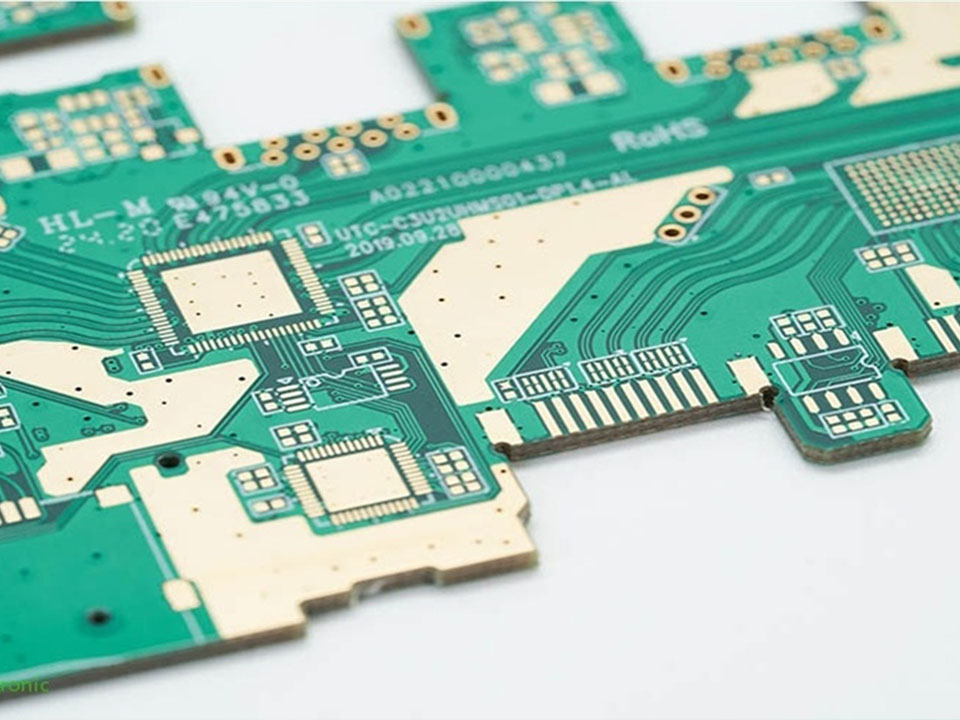
High-Tg FR-4 costs more, but it can cut warpage, via cracks, and rework. Learn when it’s worth it for lead-free reflow, HDI, and BGA builds.

See how PCB stackups change impedance at high frequencies. Compare microstrip vs stripline, Dk/Df, planes, pours, and tolerances so links stay clean.
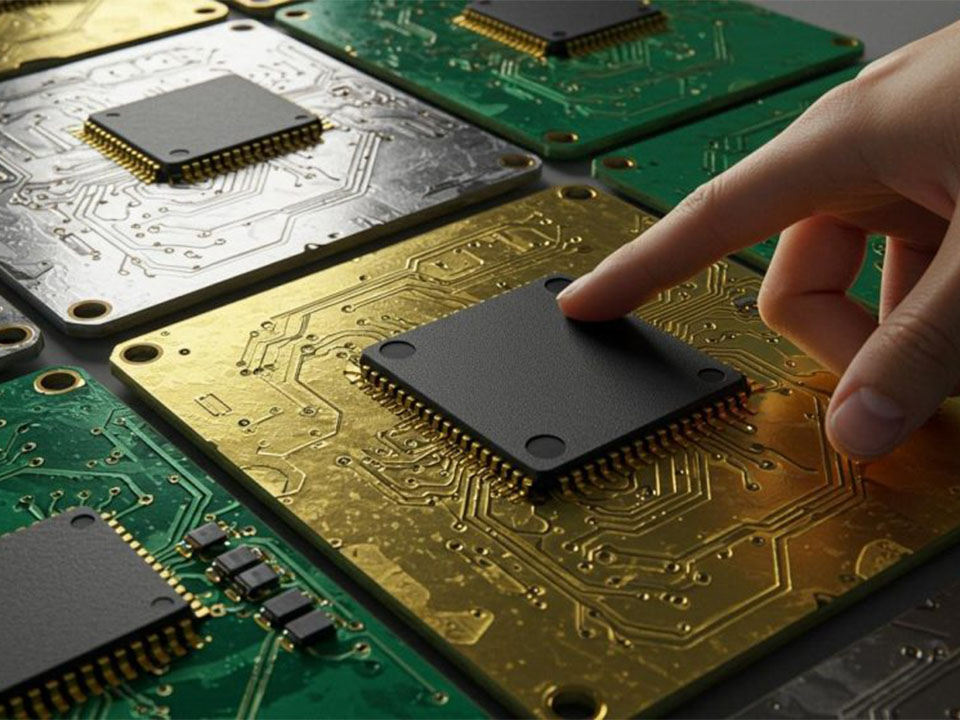
See how copper weight changes MCPCB heat spreading, I²R loss, and DFM limits. Learn when thicker copper helps—and when dielectric rules the temps.
Learn what 1W–4W aluminum-core MCPCB ratings really mean, how dielectric W/m·K changes heat flow, and when 2W, 3W, or 4W makes sense.
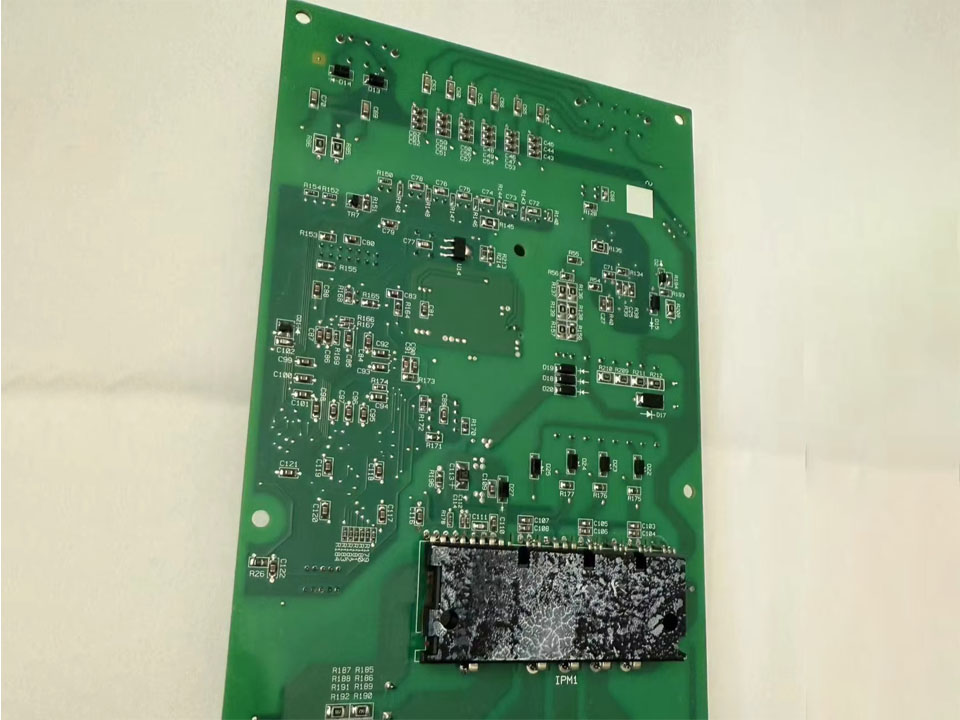
Aluminum core PCBs (MCPCBs) need the right surface finish for yield and reliability. Compare ENIG, lead-free HASL, OSP, immersion silver, and tin in SMT builds.

Aluminum or copper core for high-power LEDs? Compare heat spreading, dielectric bottlenecks, CTE reliability, and pick the right MCPCB for your build.
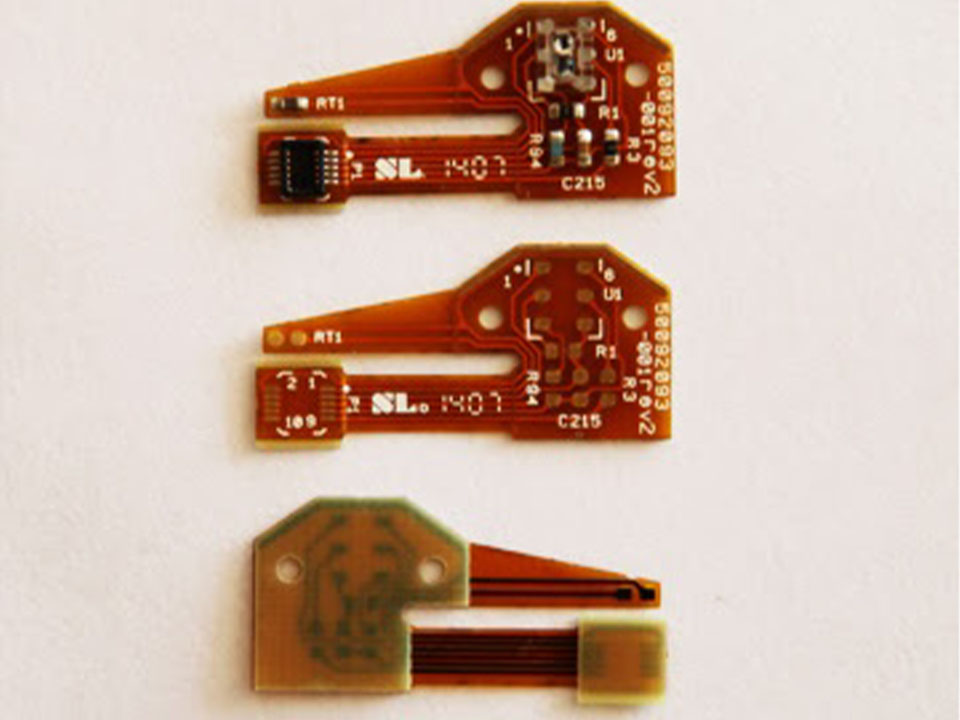
Rigid-flex PCB assembly looks easy until reflow. Learn causes of delamination, warpage, paste issues, and how fixtures and DFM keep yield stable on the line.
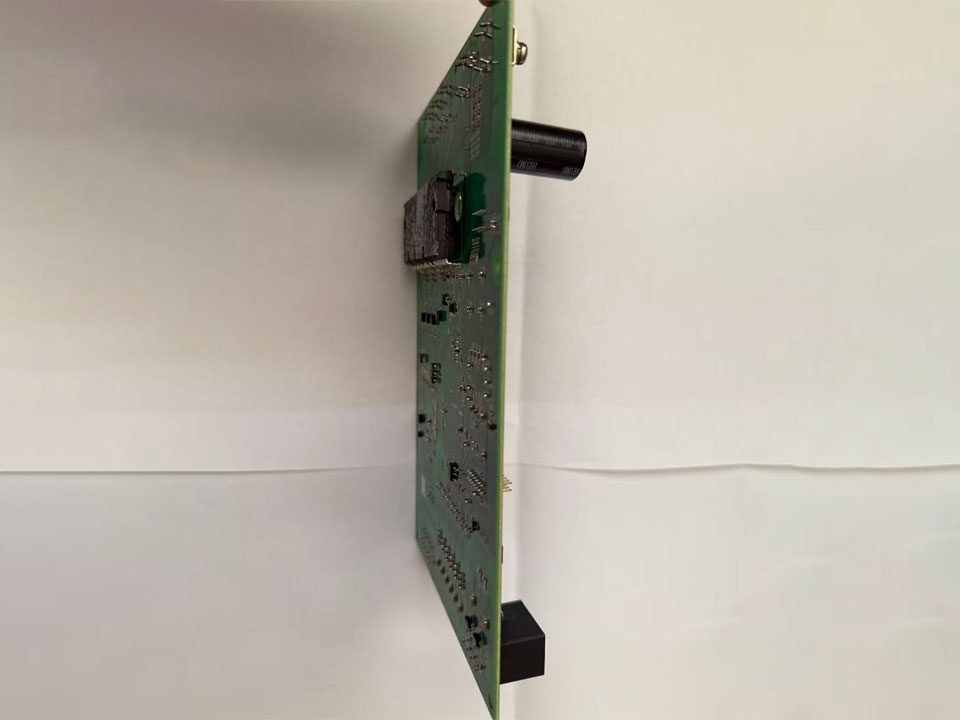
Choosing flex PCB thickness for wearables? Use 0.10–0.30 mm, match dynamic vs static bend, size bend radius, and add stiffeners for real-world use. No guesswork
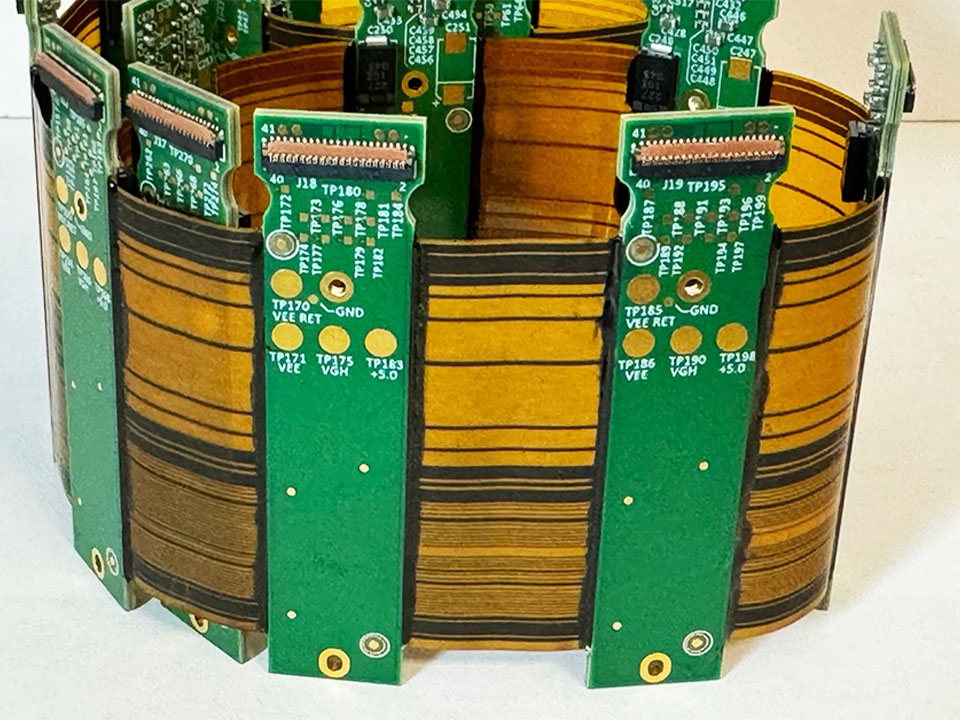
Stop rigid-flex cracks fast: set bend radius early, keep vias out, smooth routing, manage stiffeners, choose RA copper, and lock DFM notes for builds.
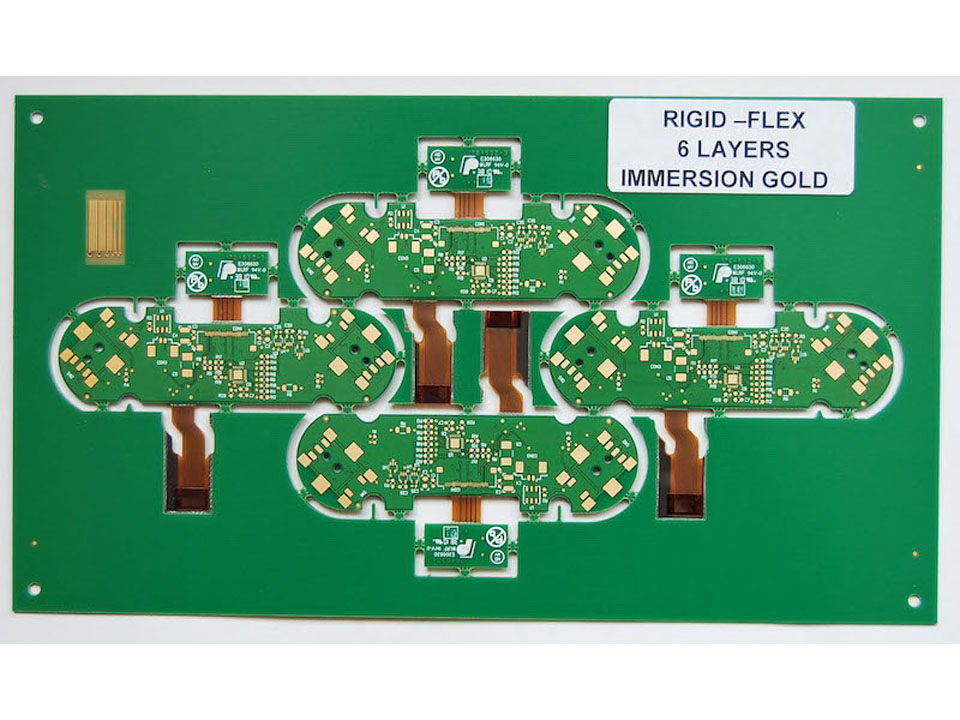
Rigid-flex PCB design is harder than rigid boards because bends, stackup, transitions, assembly handling, and testing must be solved early to avoid rework.
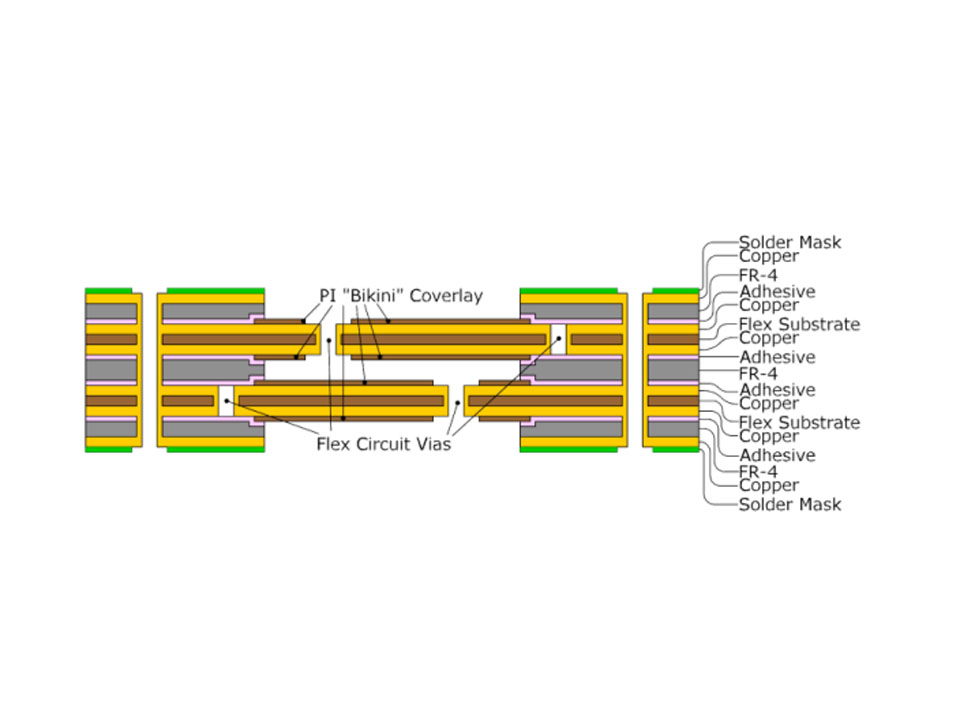
RA or ED copper for flex circuits? Learn when bend-life matters, when fine-line etching wins, and how to spec copper for OEM, ODM, and EMS builds—fast DFM tips.