













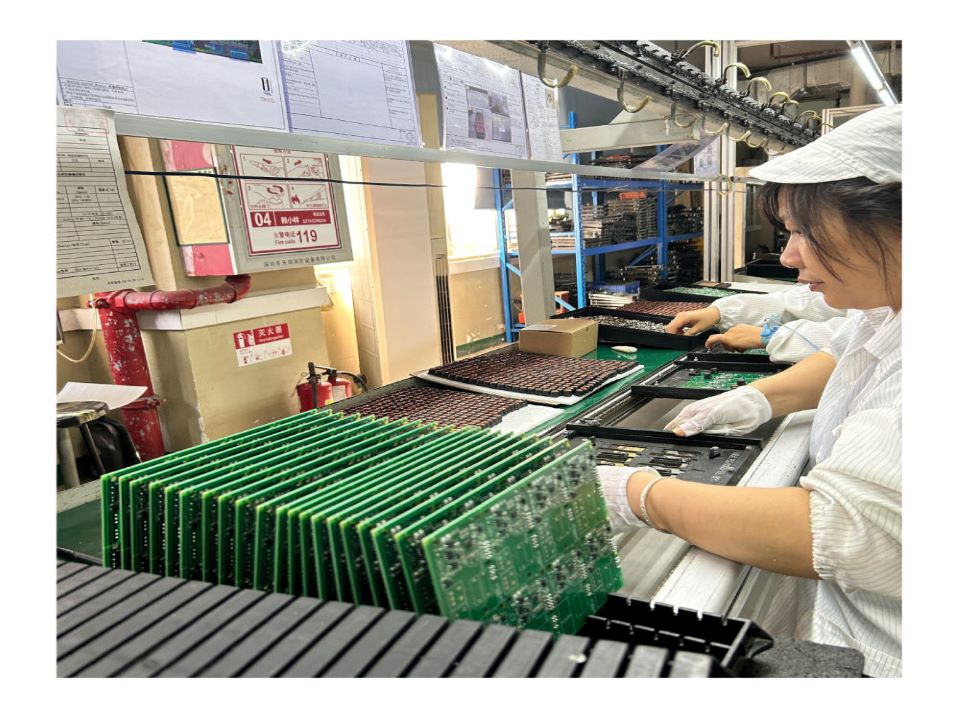
Aluminum PCBs do not fail wetting because “aluminum is difficult”; they fail because process windows are copied from FR-4 and then blamed on the board. This guide breaks down the real fixes: surface finish control, flux activity, thermal profiling, paste storage, stencil design, and inspection feedback loops.
Printed Circuit Boards
Custom PCBs for prototypes and production runs
PCB Prototype
Fast-turn PCB prototypes with reliable quality
PCB Assembly
Turnkey PCB assembly with SMT/THT options
Flexible PCB
Flexible PCBs for compact, dynamic designs
Rigid-Flex PCB
Rigid-flex PCBs for rugged, space-saving builds
High Frequency PCB
High-frequency PCBs for RF and microwave use
High-TG PCB
High-Tg PCBs for high-temp, reliable performance
Thick-Copper PCB
Thick-copper PCBs for high current handling
HDI PCB
HDI PCBs with microvias for dense routing
Aluminum PCB
Aluminum PCBs for heat dissipation and LEDs
FR-4 PCB
Standard FR-4 PCBs for general electronics use
Metal Core PCB
Metal-core PCBs for superior thermal control

