















18
Jul
Jul
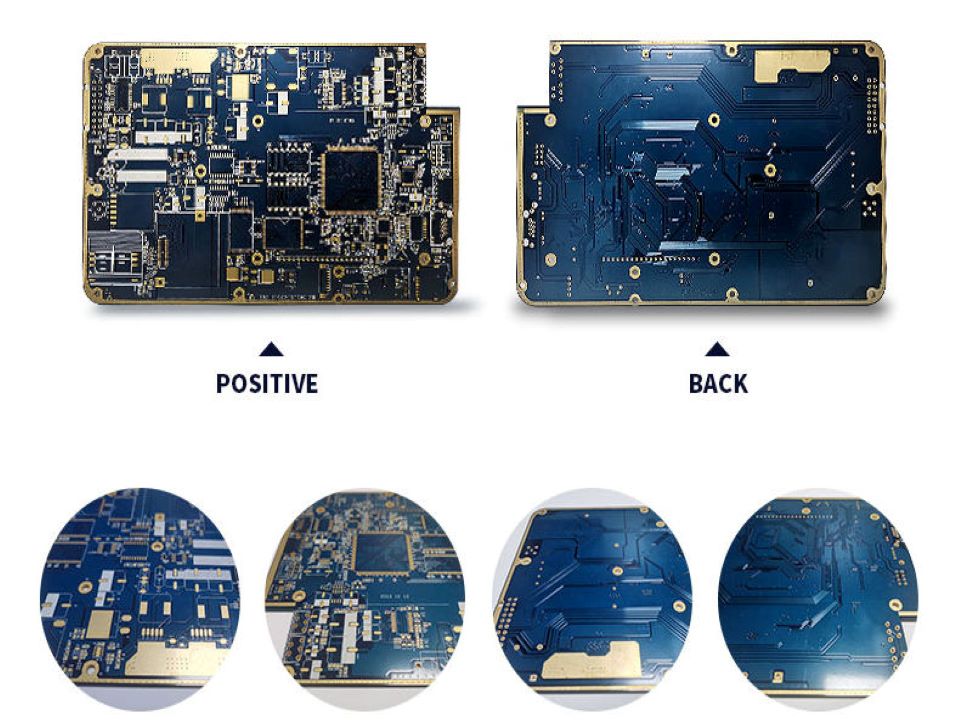
BOM Optimization is not just about choosing cheaper parts. It is about finding the right balance between component cost, availability, reliability, and long-term production stability.

Strategic procurement insights for sourcing PCBs from China. Learn supplier evaluation, DFM optimization, quality control, and cost reduction strategies tailored for overseas hardware startups and OEMs.
BOM Optimization is not just about choosing cheaper parts. It is about finding the right balance between component cost, availability, reliability, and long-term production stability.
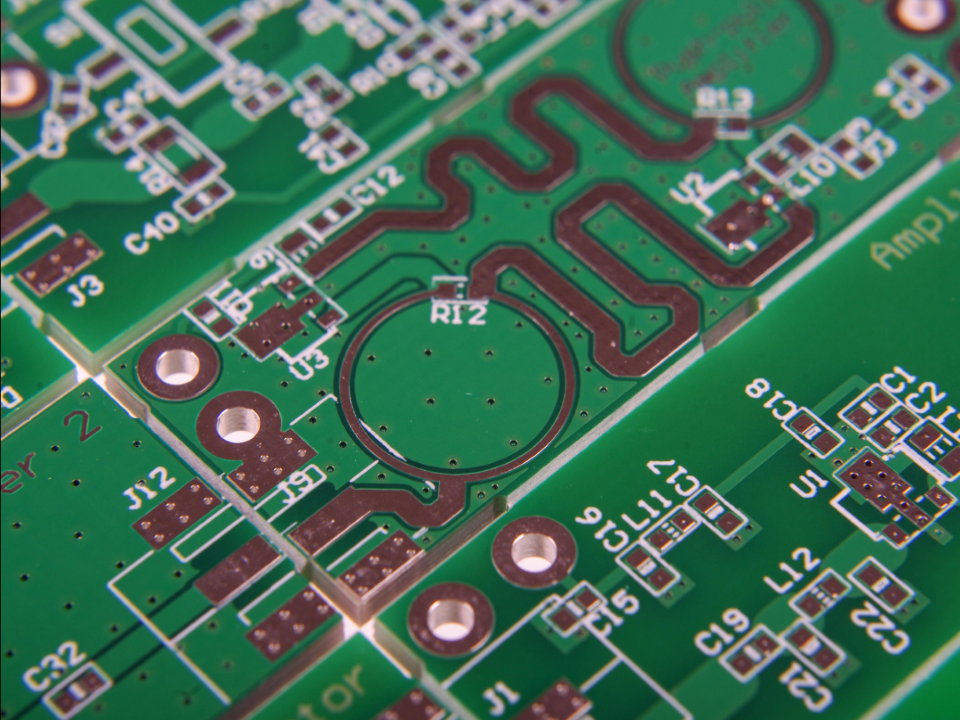
Transmission line loss in RF PCBs is not one problem; it is a stack of small design, material, and manufacturing decisions that quietly eat signal power. This article explains how to reduce RF PCB transmission line loss with practical RF PCB Design rules, not textbook decoration.
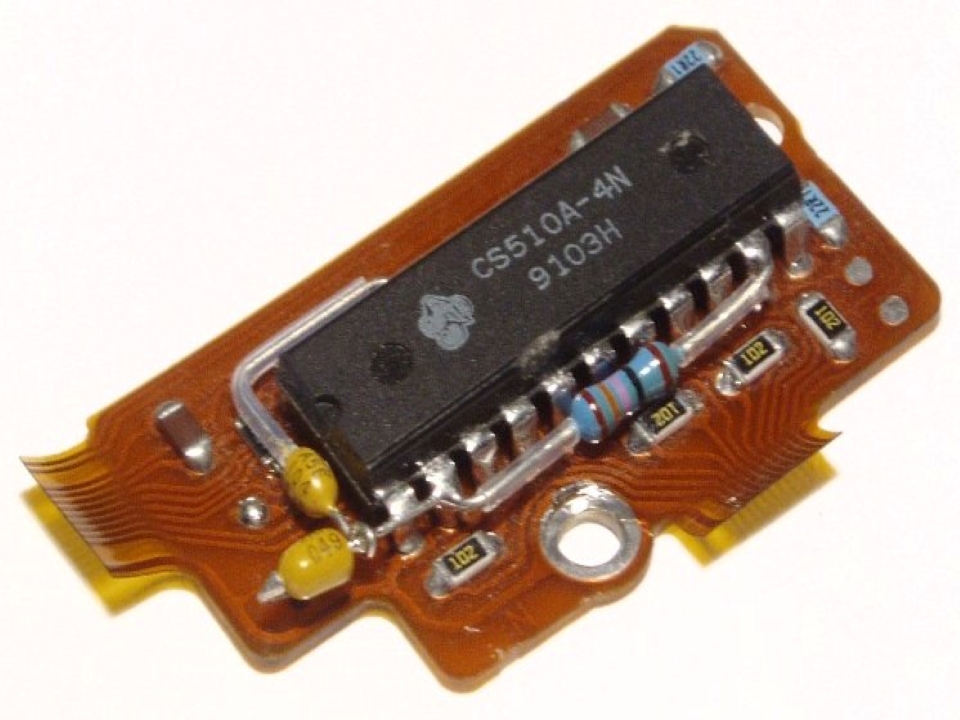
A PCB refers to a bare circuit board without components, while a PCBA refers to a fully functional assembly with components soldered onto it; the two terms have fundamental differences in definition.This article explains the differences in terms of costs, pricing, procurement risks, and buyer pain points.
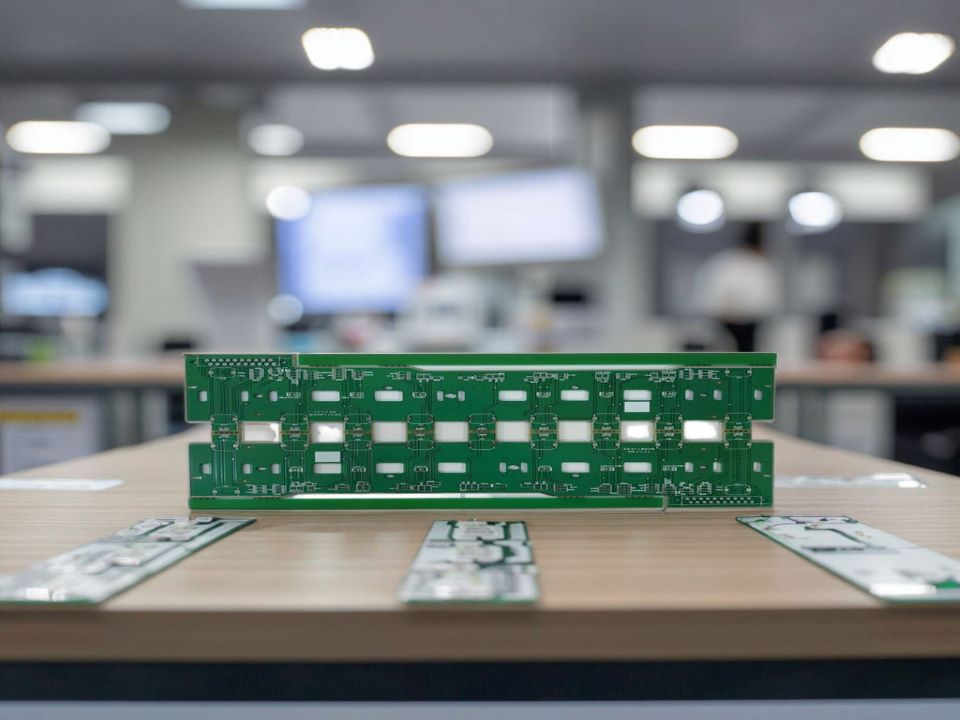
Thick copper does not automatically solve PCB heat problems; it can also expose weak via design, poor plating assumptions, and bad stack-up choices. This article explains how to optimize Thermal Vias for real heat flow, manufacturability, and cost control.
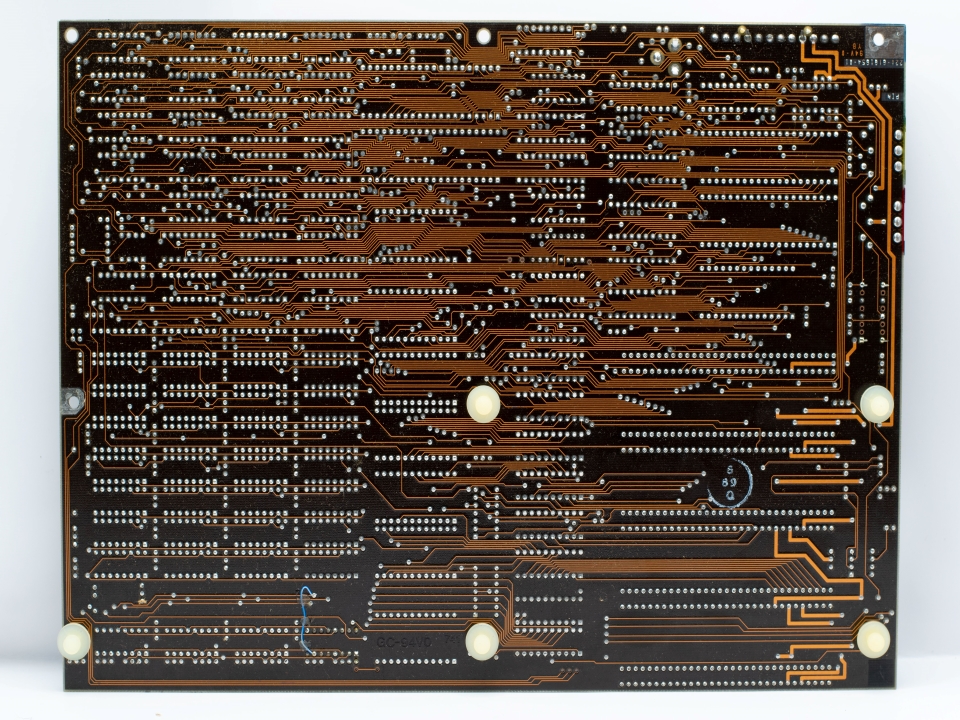
Copper weight can improve MCPCB thermal behavior, but it is not a magic fix for poor stackup design. This article explains when copper tubing should be thickened and when it should not, as well as what buyers should do to prepare before making a purchase.
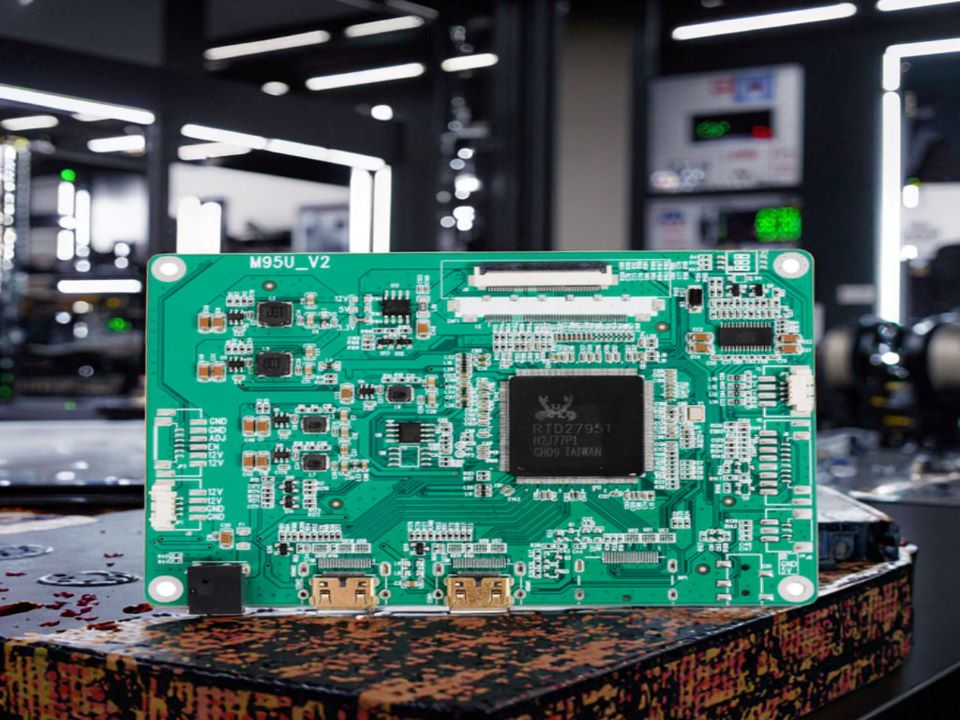
This article compares the real cost difference between 1-layer and 3-layer flex PCB designs. It explains why the cheaper stackup is not always the cheaper project.
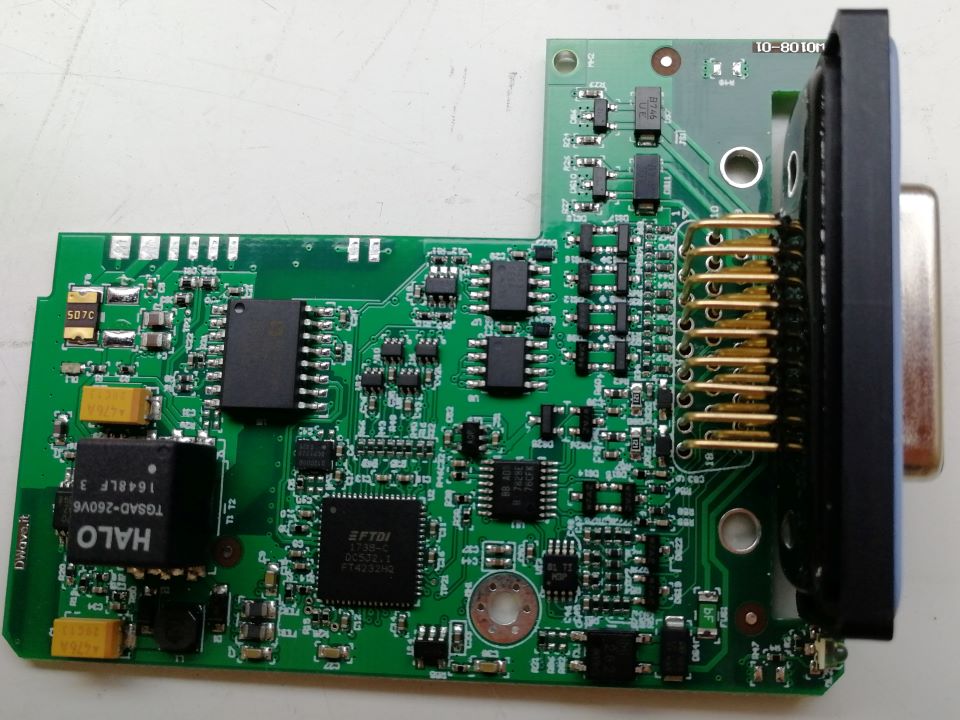
Dielectric constant is not a fixed magic number, and loss tangent is not a small side note. This article explains how frequency changes both values, why PCB datasheets can mislead buyers, and how engineers should select materials before cost mistakes become production problems.
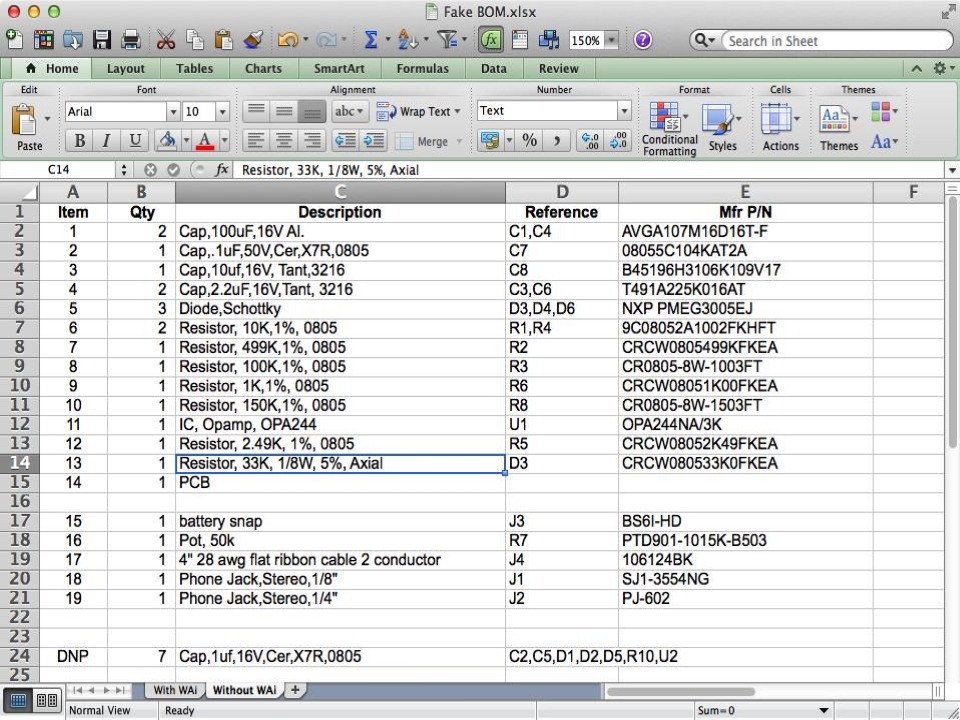
BOM optimization isn’t just a buyer asking for cheaper parts. It’s a hard review of component cost, sourcing risk, alternates, assembly yield, and what will actually survive production.
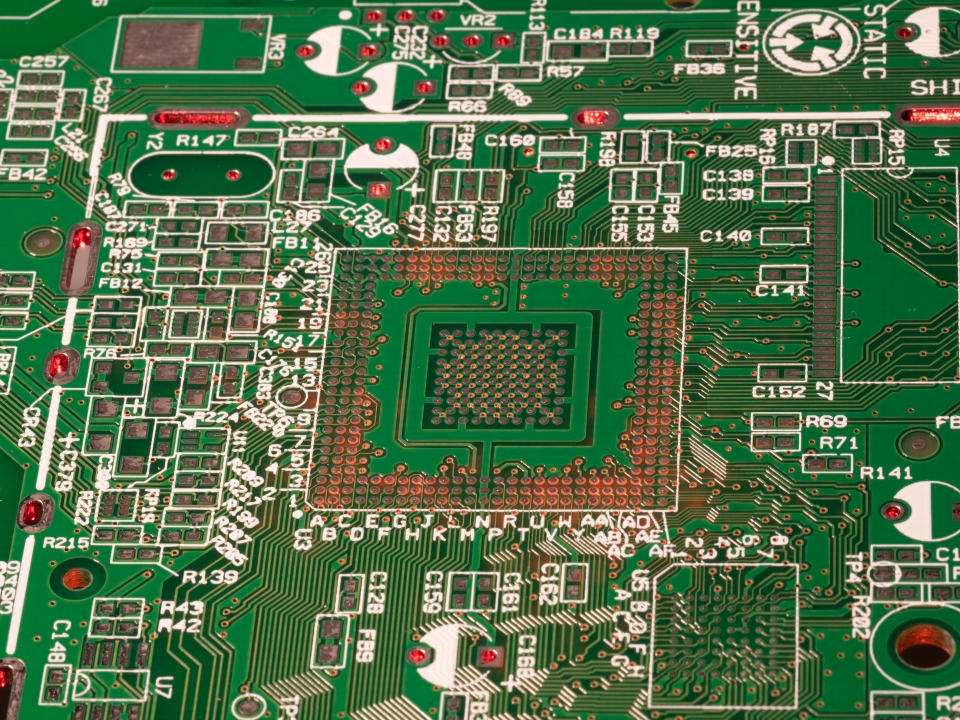
Multi-manufacturer PCB quoting is not just about collecting lower prices. This article explains how to compare PCB quotes, expose hidden cost, and negotiate with suppliers without damaging manufacturability.
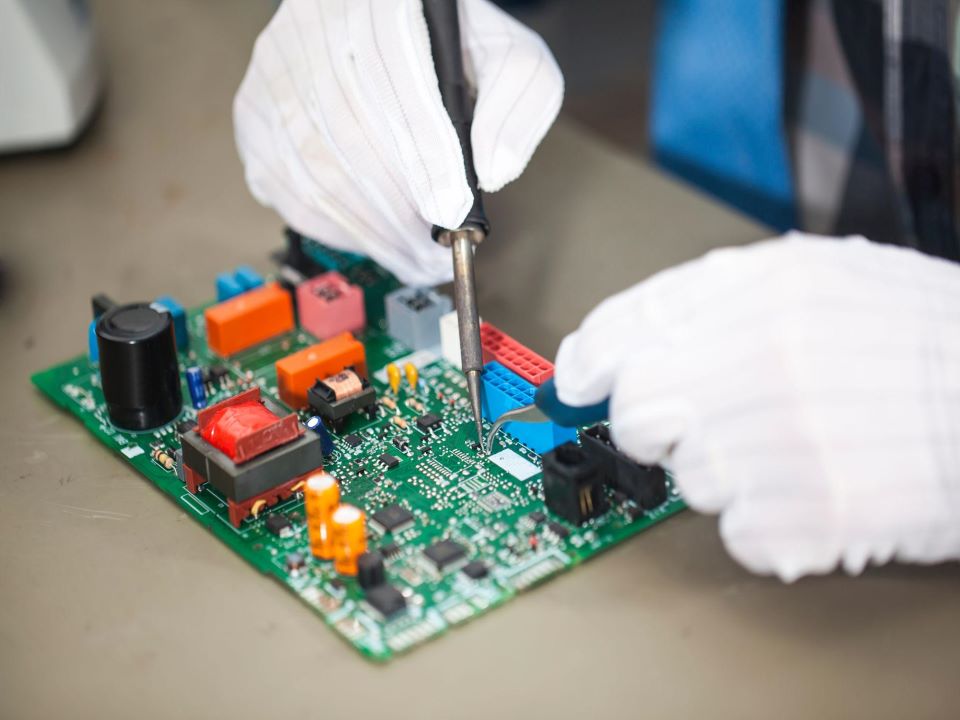
HDI lamination cycles can make a PCB quote look strange if buyers only compare layer count. This post explains why sequential lamination changes HDI PCB cost, lead time, yield, and supplier risk.
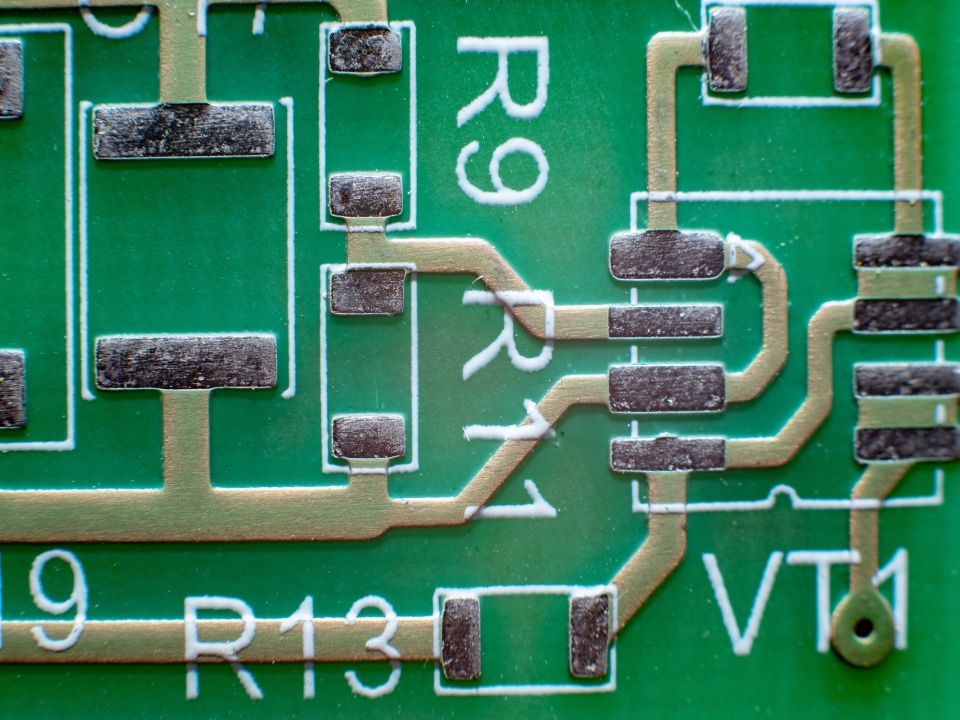
A PCB is not just a green board. It is the physical wiring system that turns chips, sensors, power parts, and connectors into a working electronic product.
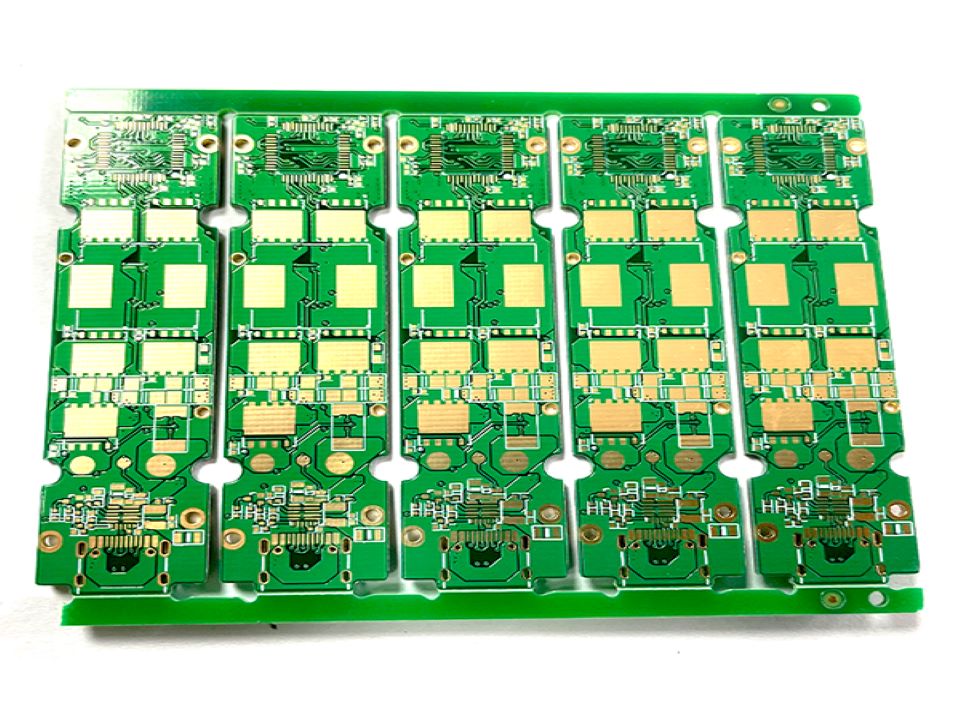
High-frequency impedance control is not only a calculator problem. It is a factory, material, copper, tolerance, and communication problem that starts with PCB stackup design.