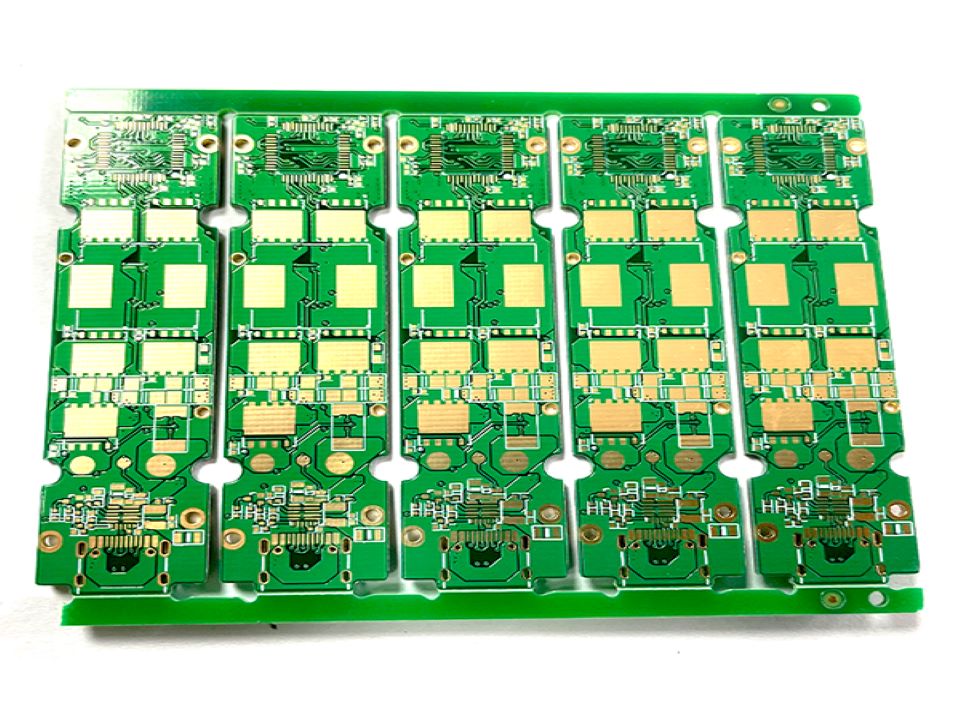
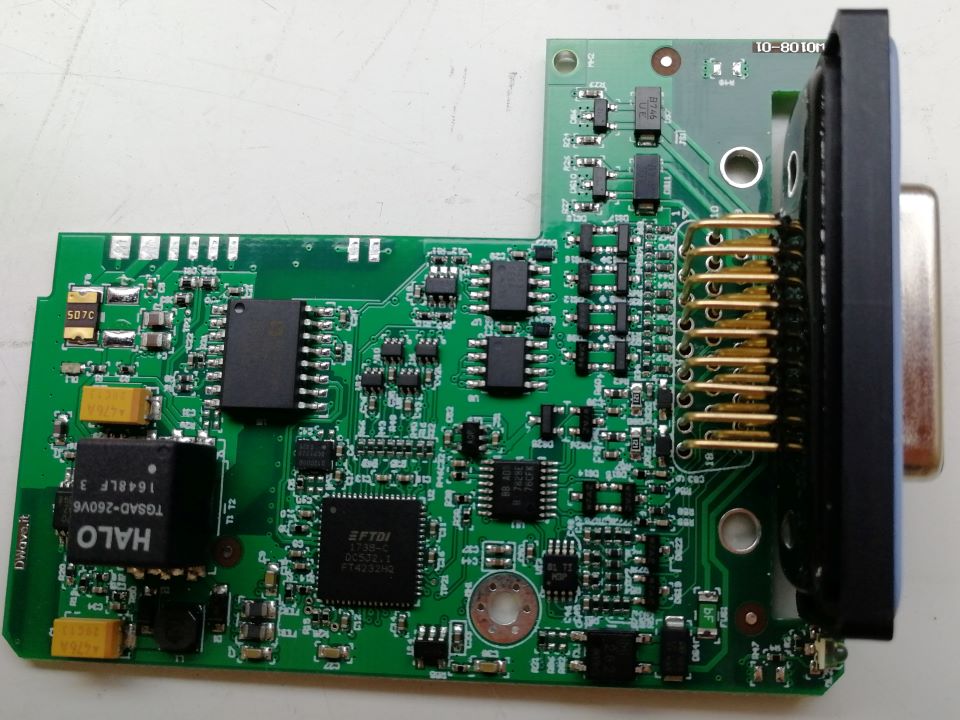
Dielectric Constant & Loss Tangent: Frequency Selection

Dielectric Constant & Loss Tangent: Frequency Selection

Dielectric constant is not a fixed magic number, and loss tangent is not a small side note. This article explains how frequency changes both values, why PCB datasheets can mislead buyers, and how engineers should select materials before cost mistakes become production problems.
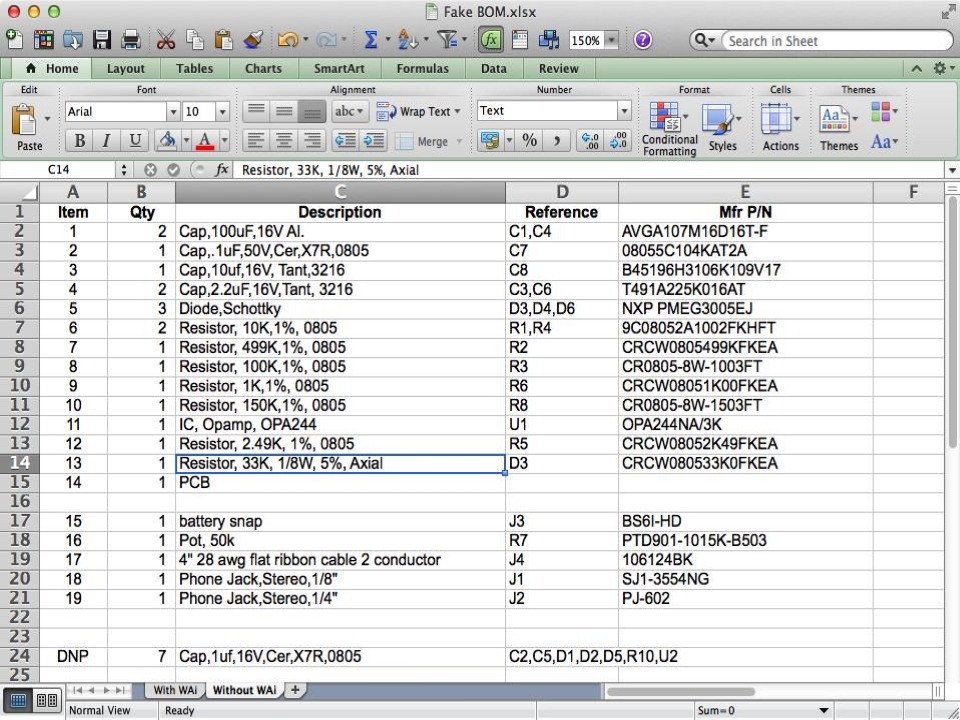
BOM Optimization: Reduce Component Costs for Assembly

BOM Optimization Reduce Component Costs for Assembly

BOM optimization isn’t just a buyer asking for cheaper parts. It’s a hard review of component cost, sourcing risk, alternates, assembly yield, and what will actually survive production.

Setup Fees vs Per-Unit Costs: Batch Ordering Strategy

Setup Fees vs Per-Unit Costs: Batch Ordering Strategy

Setup fees can make a small PCB order look expensive, but per-unit cost can fall fast when batch size is planned correctly. This article explains how buyers should read batch production cost, avoid fake savings, and choose a smarter ordering quantity.

Multi-Manufacturer PCB Quoting: Correct Negotiation Strategy

Multi-Manufacturer PCB Quoting: Negotiation Strategy

Multi-manufacturer PCB quoting is not just about collecting lower prices. This article explains how to compare PCB quotes, expose hidden cost, and negotiate with suppliers without damaging manufacturability.

HDI Lamination Cycles: Impact on Cost & Lead Time

HDI Lamination Cycles

HDI lamination cycles can make a PCB quote look strange if buyers only compare layer count. This post explains why sequential lamination changes HDI PCB cost, lead time, yield, and supplier risk.

PCB Stackup Design for High-Frequency Impedance Control

PCB Stackup Design for High-Frequency Impedance Control

High-frequency impedance control is not only a calculator problem. It is a factory, material, copper, tolerance, and communication problem that starts with PCB stackup design.

High-TG PCB for Automotive: When Thermal Specs Matter

High-TG PCB for Automotive: When Thermal Specs Matter

Automotive PCBs don’t fail because someone forgot the phrase “High Tg.” They failed because they treated heat, copper, vias, resin, moisture, and reflow stress as separate issues.

High-Speed PCB Design: Signal Integrity Fundamentals

High-Speed PCB Design

High-speed PCB design is not just faster routing; it is the discipline of keeping real electrical signals clean under imperfect materials, copper, vias, and manufacturing limits. This guide explains signal integrity fundamentals with practical layout judgment, fabrication reality, and the hard mistakes engineers usually learn too late.

Setup vs Run Costs: Assembly Pricing Explained

Setup vs Run Costs: Assembly Pricing Explained

Setup cost is the fixed money you pay before one useful PCB assembly leaves the line. Run cost is the repeated cost that decides whether your quote survives at 50 pcs, 500 pcs, or 50,000 pcs.

HDI Design Rules: Minimum Via Sizes & Spacing

HDI Design Rules

This article explains how HDI PCB design rules decide minimum via size, spacing, stack-up risk, and real manufacturability. It gives practical values, hard warnings, and a table engineers can use before sending Gerber files.