



















Buyer Guides
Flex PCB Layer Comparison: Cost of 1-Layer vs 3-Layer
Jun
A buyer once sent me a “simple” flex PCB drawing. One layer. Small size. Nothing scary at first glance.
Then I opened the Gerber.
Tiny connector pads, long skinny tail, stiffener on one side, coverlay openings packed like teeth, and a bending area sitting exactly where the copper didn’t want to be. The buyer expected a cheap quote because, well, one layer. But the factory saw something else: scrap risk, alignment pain, and a board that could crack after assembly if nobody spoke up early.
That’s the part people miss.
Flex PCB Cost isn’t just layer count. It’s material, stackup, yield, coverlay registration, bend stress, stiffener handling, surface finish, panel waste, and how nervous the factory feels when your files arrive.
Ugly truth? Sometimes a 1-layer flex PCB is cheap only because nobody has counted the future problem yet.
1-layer flex PCB: cheap, clean, and easy to abuse
A real 1-layer flex PCB is beautifully boring when it’s designed right. PI base film, one copper layer, coverlay, maybe ENIG on pads, maybe a FR-4 or PI stiffener near the connector. Done.
Easy board. Usually.
But if you cram too much routing into that one copper layer, the “low-cost” FPC starts acting like a bad compromise. Traces snake around. The outline grows. The bending area gets polluted with copper. Connector pads become too tight. And someone from purchasing still asks why the quote isn’t as low as expected.
Because the board isn’t simple anymore.
From my experience, 1-layer flex works best when the circuit behaves like a cable replacement: sensor tail, LED strip, keypad circuit, battery connection, simple interconnect. If that’s your case, a polyimide flexible PCB for compact products makes sense. It keeps weight down, bends better than wire harnesses, and doesn’t need fancy stackup drama.
But once the design starts needing too many escapes, too many pads, or too much routing density, don’t pretend it’s still a “simple single layer.”
It’s not.
3-layer flex PCB: the third layer is not the only thing you’re paying for
Here’s where buyers get irritated.
They compare 1 layer and 3 layers, then assume the 3-layer flex PCB should cost maybe three times the copper. That logic works only if the factory is selling copper by emotion.
It isn’t.
A 3-layer FPC means lamination control, tighter registration, more stackup checking, more risk around vias, more chances for warpage, and more attention to copper balance. If the flex area bends, now the stackup has to behave mechanically, not just electrically. That means the factory is pricing process risk, not just extra material.
Small sentence. Big invoice.
And yes, the same “more layers equals more control” idea exists in rigid boards too. A 4-layer RoHS multilayer PCB is already more process-heavy than a 2-layer rigid board. But flex is less forgiving because polyimide moves, coverlay shifts, copper work-hardens, and stiffeners add another handling step.
So when someone asks, “Why is 3-layer flex PCB cost higher?” my answer is blunt: because the factory has more ways to lose money if your design is slightly wrong.
The hidden quote line nobody writes: yield risk
I frankly believe yield risk is the most under-discussed part of flexible PCB pricing.
Not copper. Not film. Not even ENIG.
Yield.
A clean 1-layer flex with generous spacing, good pad size, normal coverlay windows, and decent panel utilization can move fast. A dense 3-layer flex with tight tolerance, vias, stiffeners, gold pads, and a weird outline may look small on paper but behave like a fussy production job.
And factories remember pain.
If your last revision had coverlay openings too close to pads, unclear stiffener notes, impossible bend radius, and no finished thickness tolerance, the supplier won’t quote like it’s a relaxed order. They’ll add caution. Sometimes you see it. Sometimes it’s buried in the number.
That’s not cheating. That’s survival.
For IoT, sensor, RF, and compact modules, the cost gets even more sensitive because the flex is no longer just a bendy connector. It becomes part of the electrical system. A product like an IoT control PCB with GSM module and SMA antennas already forces the designer to think about routing, grounding, connector reliability, and signal behavior. Add flex into that package and the quote starts caring about far more than square area.
Cost comparison table: 1-layer vs 3-layer flex PCB
| Cost Factor | 1-Layer Flex PCB | 3-Layer Flex PCB | Buyer Reality |
|---|---|---|---|
| Basic stackup | One copper layer, PI base, coverlay | Three conductive layers with controlled build-up | 3-layer isn’t a small edit; it changes the production route |
| Cost level | Lowest when routing is simple | Higher due to lamination, registration, and testing pressure | The third layer adds process risk, not just copper |
| Tooling | Lower | Higher | More layers usually mean more checks, films, and setup work |
| Lead time | Shorter | Longer | Extra lamination and inspection slow things down |
| Routing density | Limited | Much better | 3-layer can save space when 1-layer gets messy |
| Bend reliability | Good if copper stays out of bad bend zones | More sensitive to stackup balance | Bad copper placement can shorten flex life fast |
| Stiffener handling | Often simple | Often more controlled | Connector zones need clear drawings |
| Best use case | Simple tail, keypad, LED, sensor cable | Compact IoT, wearable, medical cable, camera module | Pick by function, not ego |
| Main hidden cost | Oversized outline or bad routing compromise | Scrap, alignment, via risk, delamination concern | Both can be expensive in different ways |
When 1-layer flex PCB is the right call
Use 1-layer flex when the circuit is honest.
Low trace count. No routing fight. No ridiculous connector escape. No repeated bend zone full of copper. No “we’ll fix it in assembly” nonsense.
This is where flexible PCB pricing stays friendly. The factory can panelize it cleanly, keep coverlay openings under control, add stiffeners where needed, run electrical testing, and ship without turning every production meeting into a DFM argument.
I like boring flex boards. Really.
A boring 1-layer FPC is often the best commercial decision because it gives the buyer low unit cost, short lead time, and fewer ways for the job to go sideways. The trouble starts when the buyer treats 1-layer as a religion instead of an option.
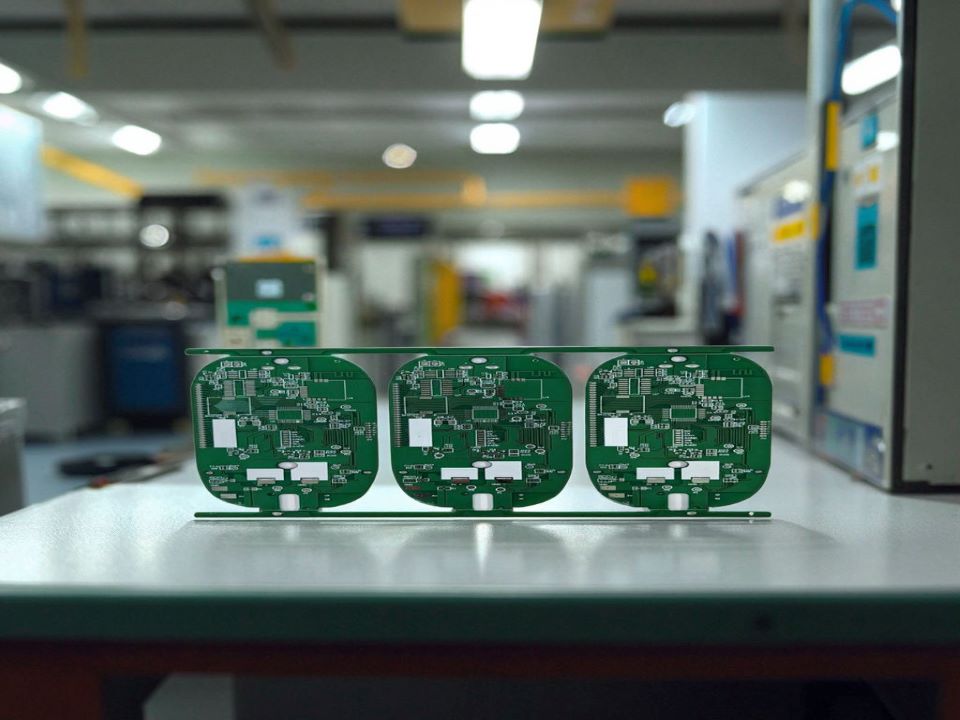
When 3-layer flex PCB is actually cheaper in the long run
But sometimes 3-layer is the grown-up choice.
If a 1-layer design needs a larger outline, awkward trace detours, manual jumper work, ugly connector routing, or risky bend geometry, then the “cheaper” board may become expensive after assembly. Scrap, rework, late redesign, angry customer, another prototype round. You know the chain.
Painful chain.
A 3-layer flex PCB can clean up routing, separate power and signals, improve grounding, and fit a product that simply doesn’t have room for a stretched-out single-layer circuit. In compact electronics, that matters.
The same logic appears in high-frequency multilayer prototype PCB manufacturing. Stackup isn’t decoration. It’s part of how the product behaves. Flex is no different, except the mechanical side is louder.
Still, don’t overbuy. A 3-layer FPC should solve a real problem. If it doesn’t, it’s just expensive confidence.
The quote formula I actually trust
Here’s my rough mental formula:
Flex PCB Cost = material area + stackup complexity + coverlay tolerance + stiffener work + surface finish + testing + yield risk + lead-time pressure
No fancy magic.
If you want the supplier to quote properly, don’t send half a story. Send Gerbers, stackup, copper thickness, finished thickness, surface finish, stiffener drawing, bend radius, working environment, connector type, quantity, and whether the board bends once during installation or bends every day in use.
That last part matters more than buyers think.
If the FPC is part of a larger PCBA, say it early. Assembly changes the conversation because pad finish, stiffener flatness, connector soldering, packaging, and test method all affect the finished product. For projects like a custom PCB control board assembly with SD slot, the bare board quote is only one slice of the real cost.
And if the FPC has RF, high-speed, or antenna-adjacent behavior? Don’t hide that either. A supplier can’t protect a design requirement they were never told existed.
The RFQ mistake that wastes everyone’s time
“Please quote best price.”
That’s the whole email sometimes.
No stackup notes. No stiffener detail. No bend radius. No annual quantity. No application. No target lead time. No explanation whether it’s prototype, pilot run, or mass production.
Then buyers compare three quotes and wonder why one factory is 40% higher.
Maybe that factory saw the risk. Maybe the cheaper one didn’t read the file carefully. Maybe both are guessing. None of those options are great.
From my experience, the cleanest RFQs don’t always get the lowest price, but they get the most believable price. And in PCB buying, believable beats magically cheap.
FAQ
How much does a flex PCB cost?
Flex PCB cost is the full manufacturing price of a flexible printed circuit, including polyimide film, copper layers, coverlay, surface finish, stiffeners, tooling, electrical testing, yield risk, and delivery time. A 1-layer flex PCB usually costs less, while 3-layer flex PCB cost rises because the process has more failure points.
The only honest answer is: send the files. A tiny FPC can be expensive if it has fine-pitch pads, strict coverlay windows, ENIG, tight outline tolerance, or ugly panel utilization. Size alone doesn’t tell the story.
Is 1-layer flex PCB always cheaper than 3-layer flex PCB?
A 1-layer flex PCB is usually cheaper than a 3-layer flex PCB because it needs fewer conductive layers, fewer lamination steps, and less layer-to-layer registration control. But it’s not always cheaper at project level if the single-layer layout causes oversized routing, assembly fixes, or reliability failures.
This is where purchasing teams get trapped. They compare PCB unit price, not total project pain. A slightly higher 3-layer FPC can be the less stupid choice when space, routing, or field reliability is tight.
Why is 3-layer flex PCB cost higher?
3-layer flex PCB cost is higher because the factory must control extra copper layers, dielectric thickness, lamination behavior, registration accuracy, via reliability, and mechanical stress inside the flexible stackup. The quote reflects process control and yield risk, not just the price of additional copper foil.
If the board has fine pads, stiffeners, ENIG, tight tolerances, or repeated bending zones, the cost climbs faster. More layers mean more chances for small errors to become scrap.
What affects flexible PCB pricing the most?
Flexible PCB pricing is affected most by layer count, material type, board size, copper thickness, coverlay opening tolerance, stiffener design, surface finish, testing requirements, production quantity, panel utilization, and yield risk. In real quoting, yield risk is often the hidden reason two similar FPC prices look very different.
Buyers focus on material. Factories focus on whether the job will survive production. That difference explains many “why is your price higher?” conversations.
Should I choose single layer flex PCB or multilayer flex PCB?
Choose single layer flex PCB when the circuit is simple, low-density, and mechanically easy to route; choose multilayer flex PCB when the product needs more routing density, better signal separation, compact packaging, or controlled electrical behavior. The right choice depends on the product’s job, not just the buyer’s target price.
If 1-layer routing already looks forced, don’t keep forcing it. But if the circuit is simple, don’t buy a 3-layer FPC just because it sounds more professional.
How can I reduce FPC manufacturing cost?
You can reduce FPC manufacturing cost by simplifying the stackup, improving panel utilization, avoiding unnecessary tight tolerances, using standard materials, defining stiffeners clearly, keeping bend zones clean, and sending complete production files before quotation. Cost control starts at design and RFQ stage, not after the quote arrives.
The cheapest quote usually comes from reducing uncertainty. Clean files, clear notes, and realistic tolerances do more than hard negotiation.
Conclusion
Flex PCB Cost isn’t a cute layer-count puzzle.
If the board is simple, use 1-layer flex and keep it boring. If the product is dense, compact, or mechanically demanding, a 3-layer flex PCB may save you from a worse cost later. But don’t choose by habit. Don’t choose by fear either.
Send the Gerber files, stackup notes, stiffener drawing, bend requirement, target quantity, and application details. We’ll review whether your design really needs 1-layer, 3-layer, or another FPC structure before the wrong cost gets locked into the project.
